


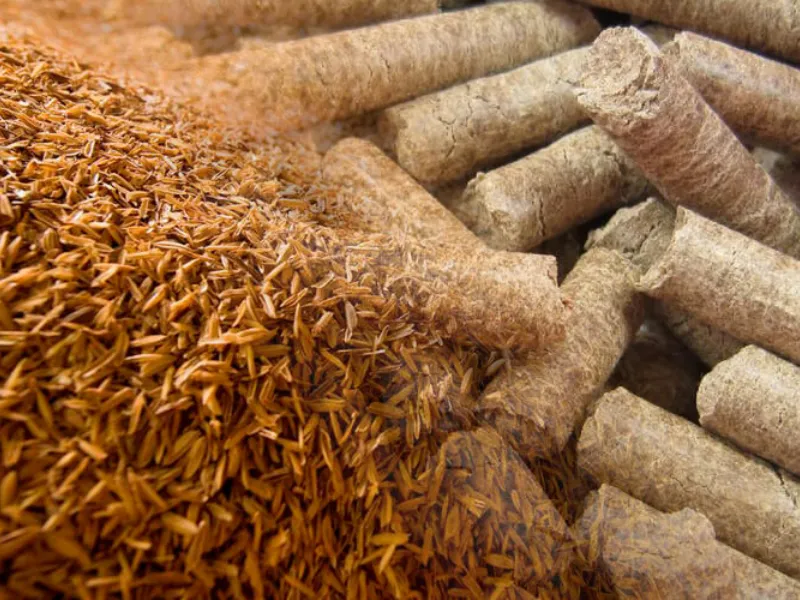
Agricultural husk materials are produced in massive quantities every year as a by-product of grain processing. Rice husk, peanut shell, sunflower husk, and similar residues are often treated as waste due to their low bulk density and handling difficulties. However, with proper processing technology, these materials can be converted into valuable pellet products. A husk pellet machine provides an effective way to recycle husk biomass into standardized pellets suitable for fuel and industrial reuse.
What Are Husk Pellets?
Husk pellets are compact biomass products made from outer grain shells and processing residues. Compared with loose husk materials, pellets have higher density, more uniform size, and improved stability during transportation and storage.
Common raw materials for husk pellets include:
- Rice husk
- Peanut shell
- Coffee husk
- Sunflower husk
- Mixed agricultural husks
Pelletizing these materials helps reduce waste while improving their usability in energy and industrial applications.
(Related Post: https://biomasspelletizer.com/husk-pellet-machine/)
Working Principles of a Husk Pellet Machine
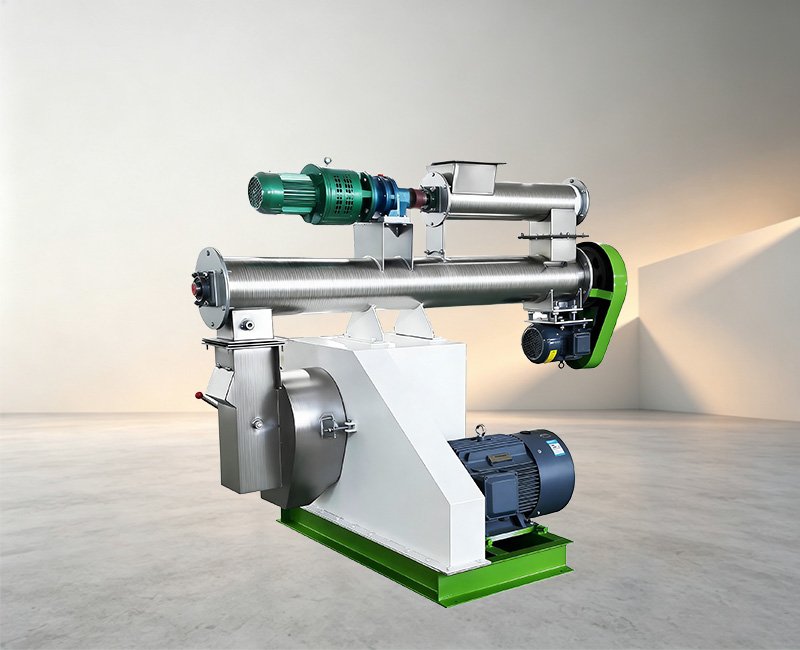
A husk pellet machine compresses finely processed husk materials under mechanical pressure, forming solid pellets through friction-generated heat. Unlike soft grass or wood fibers, husk materials are more abrasive and often contain silica, especially rice husk. This requires pellet machines with reinforced structures and wear-resistant components.
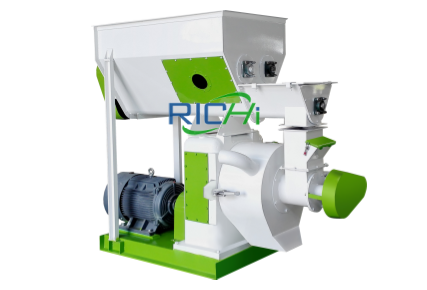
In some integrated projects, husk pellet equipment is configured alongside systems used for straw pellet machine processing, allowing factories to handle multiple agricultural residues with shared infrastructure.
Key operational advantages include:
- Stable pellet formation
- Compatibility with automated feeding systems
- Reduced dust during handling
Complete Husk Pellet Production Line Solution Overview
For continuous and large-scale production, pelletizing is typically part of a fully integrated system. A complete husk pellet production line solution is designed to control material flow, moisture, and pellet quality from start to finish.
Main System Components
A standard husk pellet production line may include:
- Husk collection and storage units
- Crushing and screening systems
- Drying equipment for moisture adjustment
- Pelletizing and shaping section
- Cooling, grading, and packing units
This systematic layout improves production efficiency and ensures consistent pellet performance across different batches.
Handling Different Types of Husk Materials
Not all husk materials behave the same during pelletizing. Their fiber structure, ash content, and moisture levels vary significantly depending on origin and processing method.
For example:
- Rice husk requires enhanced wear protection due to silica content
- Peanut shell pellets often need finer grinding
- Mixed husk materials benefit from controlled blending
Flexible system design allows producers to adapt to locally available husk resources without major equipment changes.
Performance, Durability, and Operating Considerations
Husk pellet production places high demands on equipment durability. Abrasive raw materials can accelerate wear if machines are not properly engineered. High-quality pellet systems focus on reinforced dies, optimized roller pressure, and stable transmission mechanisms.
Before selecting equipment, reviewing real-world operating cases is strongly recommended. By Going Here, investors can better understand how different husk pellet projects manage raw materials, system layout, and long-term operation challenges.
Applications of Husk Pellets
Husk pellets are primarily used as biomass fuel, offering steady combustion and compatibility with automated heating systems. They are widely applied in:
- Industrial boilers
- Biomass heating facilities
- Small-scale power generation
In addition, husk pellets can serve as raw material for ash-based industrial products due to their mineral content. This multi-application potential helps reduce market dependency on a single end use.
Relationship Between Husk Pellets and Pellet Machine Selection
Selecting the right pellet machine is critical for successful husk pellet production. Machines designed for husk materials must balance pressure, temperature, and throughput to achieve stable pellet quality without excessive wear.
Proper system matching between crushing, drying, and pelletizing equipment ensures smoother operation and lower maintenance costs over time.
Future Outlook for Husk Pellet Processing
As circular agriculture and biomass energy continue to gain global support, husk pellet processing is expected to grow steadily. By converting by-products into standardized pellets, producers can reduce waste disposal issues while creating additional revenue streams.
With a reliable husk pellet machine and a properly configured complete husk pellet production line solution, agricultural residues can be transformed into practical, market-ready biomass products that meet modern sustainability requirements.