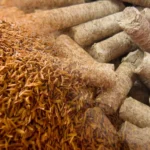
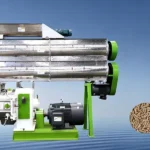
The global aquaculture industry is growing rapidly, driven by rising demand for sustainable seafood and protein-rich diets. To meet this demand efficiently, fish farmers require advanced technology to produce nutritious, uniform, and cost-effective feed. A fish feed extruder machine is a cornerstone of modern aquaculture, enabling the production of floating, sinking, or slow-sinking pellets tailored to different fish species and growth stages. This comprehensive guide explores the benefits, working principles, types, and key considerations for selecting the right extruder, helping you optimize feed quality and boost farm productivity.
Why Invest in a Fish Feed Extruder Machine?
- Enhanced Nutrient Digestibility
Extrusion cooking breaks down complex starches and proteins, making nutrients more accessible to fish. Studies show that extruded feed improves feed conversion ratios (FCR) by up to 20%, reducing waste and lowering operational costs. - Customizable Pellet Types
Fish feed extruders can produce floating pellets (ideal for surface-feeding species like tilapia), sinking pellets (for bottom-feeders like catfish), and slow-sinking varieties to suit diverse aquaculture systems. - Improved Feed Stability
Extruded pellets are denser and more water-stable than traditional feeds, minimizing nutrient leaching and maintaining shape in water for extended periods. This reduces feed loss and ensures consistent intake. - Pathogen Elimination
High-temperature extrusion (120–180°C) kills harmful bacteria, viruses, and parasites, enhancing feed safety and reducing disease risks in fish populations. - Cost-Effective Production
By using locally available raw materials (e.g., soybean meal, fishmeal, grains, and vegetable proteins), farmers can reduce reliance on expensive commercial feeds. A small-scale fish feed extruder is perfect for startups, while industrial models cater to large hatcheries or commercial farms.
How Does a Fish Feed Extruder Machine Work?
The extrusion process involves several stages to transform raw ingredients into high-quality pellets:
- Preconditioning
Raw materials (grains, proteins, fats, vitamins, and minerals) are mixed with water and steam in a preconditioner. This step hydrates and partially cooks the ingredients, improving gelatinization and binding. - Extrusion Cooking
The preconditioned mixture is fed into an extruder barrel, where a rotating screw applies heat (via friction) and pressure (up to 50 bar). The intense conditions cook, sterilize, and plasticize the mash, forming a viscous dough. - Die Shaping
The dough is forced through a die with specific hole sizes and shapes, determining pellet diameter (e.g., 1–10 mm). Adjustable dies allow flexibility for different fish sizes and feed types. - Cutting & Drying
A rotating knife cuts the extruded strands into pellets, which are then dried to reduce moisture content (8–12% ideal for storage). Some machines include built-in dryers for streamlined production. - Cooling & Coating (Optional)
Pellets are cooled to harden and may be coated with oils or additives (e.g., probiotics, enzymes) to enhance palatability or nutritional value.
( Read More: https://pelletisingmachine.com/fish-feed-production-line/ )
Types of Fish Feed Extruder Machines
- Dry-Type Extruders
- Best for: Small-scale operations or farms with limited steam access.
- Features:
- Relies solely on friction for heating (no external steam injection).
- Lower energy consumption but produces less uniform pellets.
- Ideal for floating feed production.
- Wet-Type Extruders
- Best for: High-volume commercial production (1–20+ tons/day).
- Features:
- Uses steam injection for precise temperature control.
- Produces denser, more stable pellets (floating or sinking).
- Requires higher initial investment but offers superior quality.
- Single-Screw vs. Twin-Screw Extruders
- Single-screw: Affordable and simple to operate, suitable for basic formulations.
- Twin-screw: Offers better mixing and shear for complex recipes (e.g., high-fat or fiber-rich feeds).
- Floating vs. Sinking Feed Extruders
- Floating feed machines: Use low-density ingredients and air injection to create buoyant pellets.
- Sinking feed machines: Produce denser pellets by adjusting pressure and moisture levels.
Key Features to Look For
- Adjustable Parameters: Control over temperature, pressure, and screw speed ensures flexibility for different feed types.
- Durability: Stainless steel construction resists corrosion and withstands high-pressure conditions.
- Easy Maintenance: Quick-access components and self-cleaning systems minimize downtime.
- Automation Options: PLC controls and digital interfaces simplify operation for large-scale farms.
- Safety Mechanisms: Overload protection and emergency stop features prevent accidents.
Applications of Fish Feed Extruders
- Aquaculture Farms: Tilapia, catfish, trout, shrimp, and carp hatcheries.
- Pet Food Production: High-quality extruded pellets for ornamental fish or aquarium pets.
- Research Institutions: Developing specialized diets for experimental studies.
- Feed Mills: Producing bulk commercial feed for retail or wholesale distribution.
FAQs About Fish Feed Extruder Machines
Q: How much does a fish feed extruder machine cost?
Prices range from 2,000forbasicdry−typemodelsto200,000+ for industrial wet-type extruders. Factors like capacity, automation, and build quality influence costs.
Q: What raw materials can I use?
Common ingredients include fishmeal, soybean meal, corn gluten, wheat bran, vegetable oils, and minerals. Avoid toxic additives or spoiled ingredients.
Q: Can I produce both floating and sinking feed with one machine?
Yes! Many extruders allow switching between modes by adjusting parameters like steam injection and die pressure.
Q: How long does it take to train staff to operate an extruder?
Basic training takes 1–2 days for manual machines, while automated systems may require a week of hands-on practice.
Conclusion
A aqua fish feed machine is a game-changer for sustainable aquaculture, enabling farmers to produce nutrient-rich, cost-effective feed tailored to their specific needs. Whether you’re running a small hatchery or a large commercial farm, investing in the right extruder can improve fish health, reduce waste, and boost profitability.
Ready to upgrade your feed production? Explore our range of high-performance fish feed extruders, designed for efficiency and reliability. Contact us today for a free consultation and customized solution!