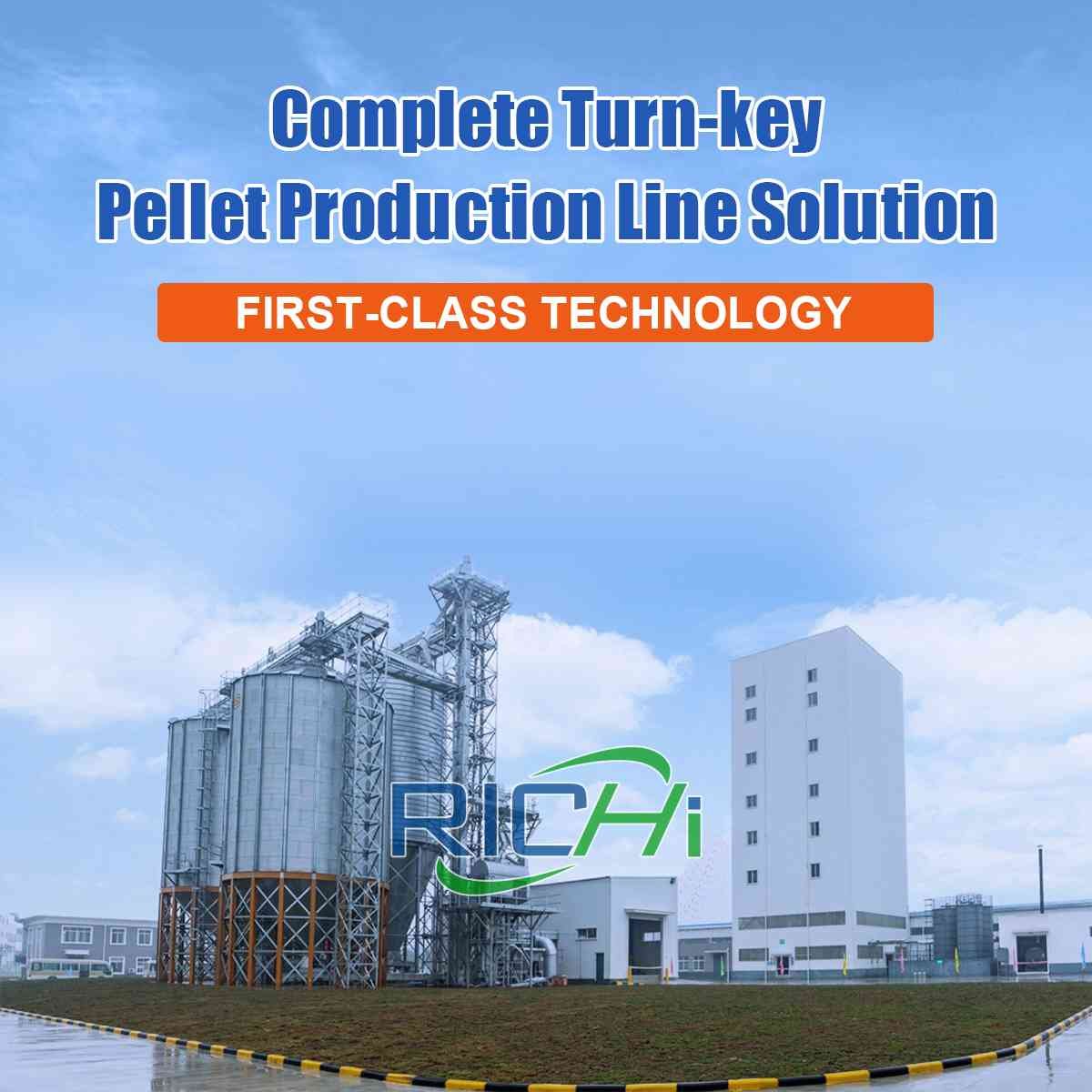
1. Introduction: The Importance of Feed Pellet Lines in Modern Farming
The livestock and aquaculture industries have seen significant growth over the past decades, driven by rising global demand for meat, dairy, and seafood products. Central to modern animal farming is high-quality feed, and a pellet feed plant plays a crucial role in producing consistent, nutrient-rich pellets suitable for various livestock species, including poultry, swine, cattle, and fish.
Unlike traditional feeding methods, which often relied on raw grains or forage, mechanized feed production ensures uniform nutrition, reduces waste, and enhances farm productivity. By investing in a feed pellet line, farmers can optimize growth rates, improve feed conversion efficiency, and meet both domestic and international market standards.
2. Historical and Cultural Context of Feed Production
Animal feeding has evolved for centuries, from manual grain distribution to advanced mechanized systems. Traditional feeding methods relied heavily on natural forage, raw grains, and locally available by-products. While these methods supported small-scale farming, they often resulted in inconsistent nutrition and inefficient growth.
The emergence of the feed pellet line reflects a significant technological advancement in animal husbandry. By automating feed production, farmers can produce uniform pellets, crumbles, or mash, which support healthy growth and reduce feed waste. In countries with strong agricultural traditions, such as the United States, Brazil, China, and Germany, feed pellet lines have become integral to modern farming, blending historical knowledge with cutting-edge technology.
3. Components and Function of a Feed Pellet Line
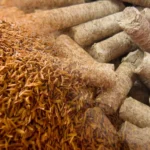
A standard feed pellet line includes several key components, each performing a specific function to ensure high-quality feed production:
Raw Material Grinder / Hammer Mill: Reduces raw grains, soybean meal, and other ingredients into fine powder for even mixing.
Mixer: Ensures uniform distribution of protein, vitamins, minerals, and other additives.
Pellet Mill / Extruder: Compresses the feed mixture into pellets of uniform size and density.
Dryer: Reduces moisture content to prevent spoilage and maintain pellet integrity.
Cooling System: Stabilizes pellets and prevents breaking during storage.
Packaging System: Prepares feed for storage, transport, and sale.
Modern feed pellet lines, including those provided by RICHI, often incorporate automation, adjustable pellet sizes, and precise nutrient control. These systems can be customized for small farms or large industrial operations, offering scalability and long-term reliability. https://richipelletizer.com/animal-feed-production-line/
4. Advantages of Using a Feed Pellet Line
Utilizing a feed pellet line offers numerous advantages for farms and feed producers:
Balanced Nutrition: Ensures livestock receives the correct combination of proteins, fats, vitamins, and minerals.
Efficient Feeding: Reduces waste and allows precise portion control for different species.
Consistency: Automated systems produce uniform pellets in size and nutrient content.
Scalability: Suitable for small-scale farms or large industrial feed operations.
These benefits directly translate into improved animal growth, enhanced feed conversion rates, reduced operational costs, and higher farm profitability.
5. Technological and Environmental Considerations
Producing high-quality feed pellets requires careful control of moisture content, temperature, and pellet density. Improper processing can lead to nutrient loss, pellet disintegration, or decreased digestibility.
Modern feed pellet lines, including those from RICHI Manufacture, integrate advanced extrusion, drying, and cooling technologies with automated monitoring systems. These features ensure consistent feed quality, maintain nutrient integrity, and optimize energy efficiency.
From an environmental perspective, pelletized feed reduces waste, minimizes contamination, and allows the use of agricultural by-products. Efficient feed pellet production supports sustainable farming by reducing energy consumption and promoting eco-friendly practices in livestock and aquaculture operations.
6. Economic and Market Significance
Feed accounts for a major portion of livestock production costs, often 40–60% of total expenses. Investing in a feed pellet line allows farms to produce feed on-site, reducing reliance on external suppliers, lowering costs, and improving productivity.
The global feed market continues to expand, driven by increasing demand for animal protein. Mechanized feed production allows farms to meet both domestic and export standards, providing economic opportunities and ensuring long-term sustainability. High-quality pellet feed supports better growth rates, healthier livestock, and higher market value for products.
7. Choosing the Right Feed Pellet Line
Selecting an appropriate feed pellet line requires careful evaluation of several factors:
Capacity: Ranges from small-scale 0.5–2 tons per hour systems to industrial 10–30 tons per hour lines.
Feed Type: Pellets, mash, or crumbles for specific livestock species.
Automation: Advanced controls reduce labor and improve production consistency.
Supplier Reliability: Trusted manufacturers such as RICHI provide technical support, spare parts, and maintenance guidance. You could try these out
Choosing the right system ensures long-term efficiency, high-quality feed production, and a sustainable return on investment.
8. Cultural and Nutritional Importance
Animal protein is an essential part of human diets worldwide. A feed pellet line ensures that livestock grows efficiently, remains disease-resistant, and produces high-quality meat, milk, or eggs.
Culturally, livestock farming has shaped rural communities and economies globally. Modern feed pellet production supports these communities by increasing farm productivity, creating jobs, and enabling farmers to integrate advanced technology without compromising traditional practices.
9. Conclusion: Investing in Sustainable Feed Production
A feed pellet line is a strategic investment in modern, efficient, and sustainable animal farming. It provides uniform, nutrient-rich feed, reduces waste, and supports environmental stewardship.With reliable machines from suppliers such as RICHI, farms can scale operations, optimize production efficiency, and meet the growing global demand for high-quality animal products. Feed pellet lines represent the future of livestock and aquaculture farming, combining productivity, sustainability, and technological innovation. Animal feed pellet making machine south africa