


A pellet factory cannot be designed reliably from a capacity target alone. The engineering team needs a defined design basis covering raw materials, finished products, operating schedule, site, utilities, logistics, storage, automation, environmental requirements, and future plans. Some information can remain provisional during early budgeting, but the critical inputs must be confirmed before equipment drawings and civil interfaces are released. A structured project-information package reduces assumptions and makes engineering decisions traceable.

Raw-Material Identity
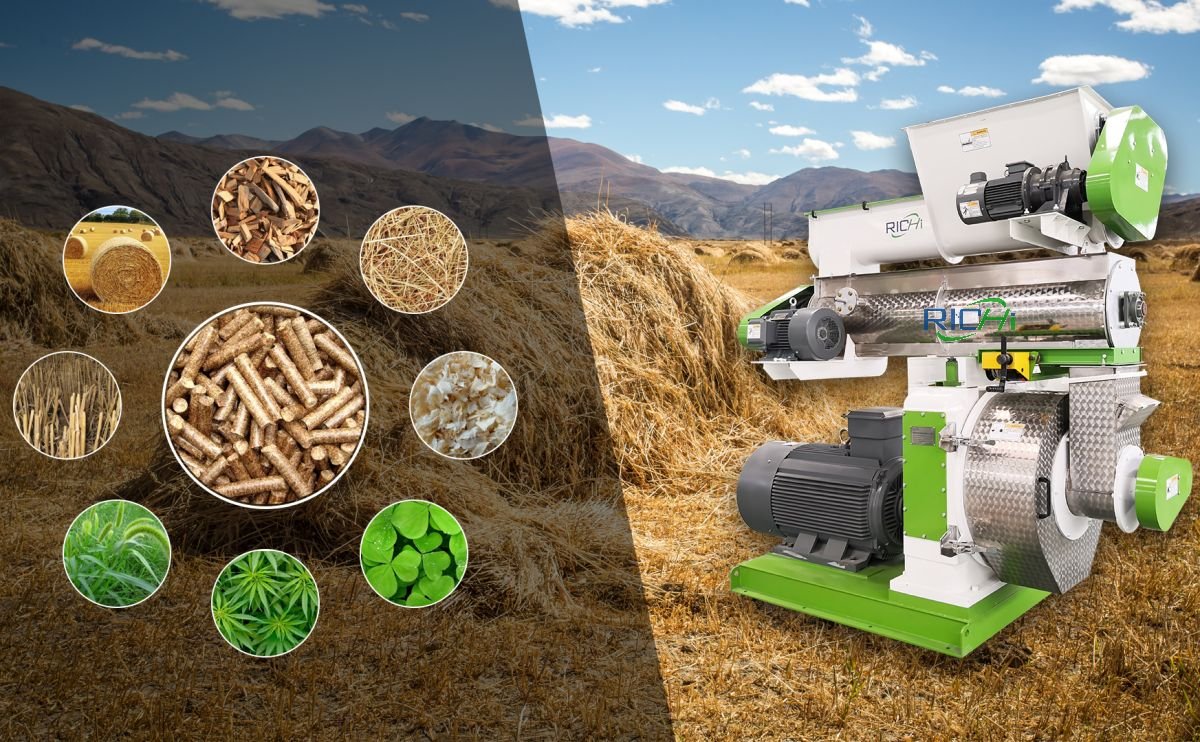
Begin with a complete list of raw materials. For biomass projects this can include wood chips, sawdust, shavings, bark, bamboo, straw, husks, or other residues. For feed projects it may include grains, meals, bran, minerals, oils, and premixes. For fertilizer projects, the ingredients and their physical condition should also be defined.
Engineers need to know whether materials arrive separately or as a blend, how variable the supply is, and whether any ingredient requires special handling. The raw-material list determines receiving, cleaning, storage, grinding, mixing, and preparation.
Moisture And Seasonal Variation
Provide measured moisture ranges, not only a single ideal value. Wet biomass may require drying, while dry material may need controlled moisture adjustment before pelleting. Seasonal variation can change dryer load, fuel consumption, storage behavior, and throughput.
If moisture has not yet been measured, the preliminary design should state an assumption and identify it as a condition that must be verified before final equipment selection.
Incoming Size And Bulk Density
Describe the physical form and approximate dimensions of the incoming material. Logs, chips, flakes, shavings, powder, meal, fiber, and bales need different equipment. Bulk density influences conveyors, bins, storage volume, feeders, and transport calculations.
For unusual materials, send photographs with a scale and representative samples. Laboratory or trial testing may be appropriate when the material has not been pelletized before.
Contamination And Cleaning Requirements
Tell the engineering team whether raw materials may contain stones, metal, sand, plastic, oversized pieces, or other contaminants. Magnets, screens, stone traps, cleaning equipment, and aspiration may be required to protect downstream machines.
For food or feed applications, hygiene and cross-contamination requirements should also be defined because they affect equipment access, product-contact surfaces, cleaning procedures, and storage segregation.
Finished-Product Specifications
Define pellet diameter, length, moisture, density, durability, fines, and any customer or market standard. If the factory will produce multiple pellet sizes or formulations, list each product and estimate its share of annual production. These data affect die selection, conditioning, cooling, screening, storage, packaging, and changeover procedures.
The final use should also be stated. Fuel, feed, fertilizer, bedding, and other pellets have different performance requirements even when their dimensions are similar.
Hourly And Annual Production Goals
Design should include both target hourly throughput and annual tonnage. State hours per shift, shifts per day, operating days per year, planned maintenance periods, and seasonal peaks. The engineering team can then evaluate utilization and whether capacity margin or redundancy is justified.
- Nominal hourly output
- Minimum acceptable output
- Annual production target
- Operating hours per day
- Operating days per year
- Expected product mix
This prevents a machine nameplate from being confused with the actual production requirement of the business.
Site And Land Information
Provide a site plan showing boundaries, roads, neighboring buildings, proposed factory area, elevation changes, drainage, truck routes, and available expansion space. Local restrictions such as building height, setbacks, or environmental zones should be identified early.
The site influences the relationship between raw-material storage, process building, finished-product warehouse, utilities, loading areas, offices, and fire access. A complete factory layout is more than the arrangement of production machines.
Existing Building Information
If an existing building will be used, provide accurate drawings or survey data. Important information includes clear height, length, width, column grid, floor loading, door sizes, roof structure, pits, mezzanines, existing utilities, and equipment that must remain. Also provide photographs and access dimensions for bringing machines into the building.
Building constraints may change the process arrangement, bin sizes, elevator heights, maintenance access, and steel structures. They should be known before a final layout is approved.
Electrical Supply
Confirm voltage, frequency, phase, available transformer capacity, short-circuit information if required, and any limits on starting large motors. The plant design must also account for existing site loads when using an existing electrical service.
These data affect motors, drives, control panels, distribution equipment, cable sizing, and sometimes the practical capacity that can be installed without upgrading the site’s power infrastructure.
Steam, Fuel, Water, And Compressed Air
List available utilities and required conditions. Feed conditioning may need steam. Drying may require gas, biomass fuel, oil, electricity, or another heat source. Pneumatic equipment requires compressed air, and some processes require water addition.
State whether utility equipment already exists or should be included in the supplier’s scope. Utility generation and distribution can significantly affect the project budget and layout.
Raw-Material Receiving Logistics
Describe how raw materials arrive: bulk truck, tipper, loader, bag, container, conveyor, or another method. Provide expected vehicle size, delivery frequency, unloading time, and whether materials require separate receiving points.
Receiving capacity should match production and storage strategy. A plant can lose operating time if the production line waits for unloading or if truck access conflicts with finished-product dispatch.
Storage Strategy
Define how many days of raw-material and finished-product storage the business needs. Seasonal materials may require much larger storage than continuously available inputs. Separate products may require independent bins or warehouses.
Storage affects capital cost, land use, material handling, fire risk, inventory management, and operating resilience. It should be engineered with the process rather than added after the main equipment layout is fixed.
Packaging And Dispatch Requirements
Specify bag size, big bags, bulk loading, packaging rate, palletizing, labeling, and warehouse handling. Explain how products will leave the site and how many trucks or containers may be loaded per day.
Packaging and dispatch must be sized for the finished-product rate or supported with adequate buffer storage. Otherwise the last step can limit the whole factory.
Automation And Data Requirements
Define the desired level of central control, automatic batching, recipe management, alarms, production reporting, remote diagnostics, and integration with other systems. Also identify who will operate the plant and the expected skill level of personnel.
Automation should support the operating model. More automation can reduce manual work and improve consistency, but it requires instrumentation, software engineering, training, and maintenance capability.
Local Environmental And Safety Requirements
Provide applicable dust, noise, emissions, fire, explosion, workplace safety, and environmental requirements. Climate, wind, snow, seismic conditions, altitude, and outdoor temperature may affect structures, motors, enclosures, ventilation, and cooling.
If regulations are still being investigated, identify them as open project items with responsible parties and deadlines. Unknown requirements should not be silently assumed away.
Project Scope And Responsibility
Define who will supply process equipment, steel structures, control panels, storage, utility systems, civil construction, transformer, field cables, installation, cranes, commissioning, training, and laboratory equipment. A responsibility matrix prevents gaps between suppliers and local contractors.
The scope should also identify required documents, approvals, inspection, and acceptance. This makes technical and commercial responsibilities consistent.
Future Expansion
Tell the engineering team whether the factory may add capacity, products, storage, or packaging lines. Future expansion can influence reserved space, steel structure, electrical capacity, conveyor routing, and process connections. Designing for expansion does not mean installing all future equipment immediately.
The objective is to avoid placing today’s equipment where it blocks the most likely future development.
Use A Design-Basis Document
| Design Input | Status | Why It Matters |
|---|---|---|
| Raw material and moisture | Confirmed or assumed | Defines process route |
| Pellet specification | Confirmed | Defines product equipment |
| Capacity and shifts | Confirmed | Defines plant loading |
| Site and building | Surveyed or preliminary | Defines layout |
| Utilities | Confirmed before manufacture | Defines interfaces |
| Local regulations | Assigned for verification | Defines compliance |
A design-basis document records both confirmed information and assumptions. When an input changes, engineers can identify which equipment, drawings, cost, and schedule may also change.
How RICHI Machinery Uses Project Information
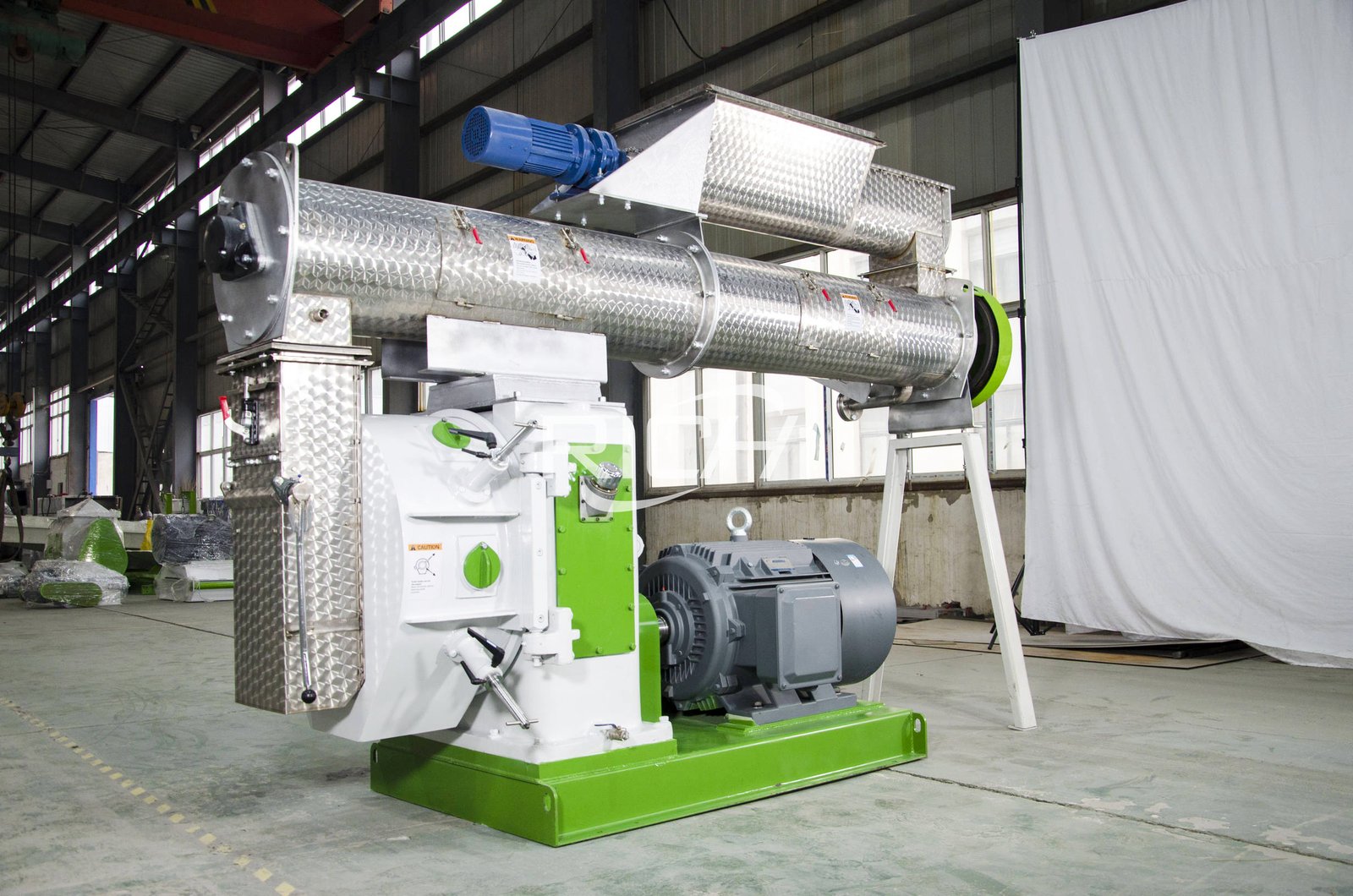
RICHI Machinery develops complete pellet factories around project-specific raw materials, products, capacity, site, and utility conditions. Buyers can review the company’s wider engineering scope through RICHI Machinery turnkey service. More than 30 years of industry experience and over 2,000 delivered projects provide a broad project base, but accurate inputs remain necessary for every new design.
Early proposals can use stated assumptions, while critical data should be verified before manufacturing and site construction proceed.
Validate Inputs Before Freezing The Layout
Before drawings are approved, create an input register showing which project facts are measured, confirmed by the owner, assumed by the supplier, or still unknown. Assign responsibility and a decision date to every unresolved item. Raw-material tests, utility availability, building dimensions, finished-product specifications, storage policy, operating schedule, and local installation constraints should all be controlled in this register.
This prevents an early assumption from silently becoming a final design condition. When an input changes, the engineering team can trace its effect on capacity, equipment sizing, layout, controls, cost, and schedule before authorizing the revision.
Final Recommendation
Before a pellet factory is designed, prepare a project-information package covering raw materials, moisture, size, contamination, pellet specifications, hourly and annual production, site, building, power, utilities, receiving, storage, packaging, automation, local regulations, scope, and future expansion. Mark each item as confirmed, estimated, or still unknown.
The engineering team can then use those inputs as a controlled design basis. This does not eliminate project changes, but it makes the consequences of changes visible. A factory designed from documented requirements is much less likely to suffer from missing equipment, unrealistic capacity, utility shortages, layout conflicts, or expensive site modifications after production has begun.