


The first production shift should begin because the plant is ready, not because the installation calendar says it is time to start. A feed pellet machine can be mechanically installed while essential utilities, interlocks, sampling arrangements, or operator instructions remain incomplete. Loading material into that situation creates a trial with too many unknowns and can turn correctable preparation gaps into avoidable interruptions. A pre-commissioning gate is a documented decision that the necessary conditions have been demonstrated. It does not replace the equipment supplier’s commissioning procedure; it establishes whether the site is prepared to follow that procedure and produce evidence the buyer can trust.
Set the Gate Around a Defined First-Shift Objective
Identify the product, ingredient batch, intended trial sequence, and measurements for the first shift. Distinguish a functional check from a production acceptance test. If the immediate objective is to verify material travel and instrument signals, do not describe the result as a capacity guarantee. The gate should list the conditions required for the chosen objective, the evidence for each condition, and the person authorized to approve release. This makes the decision visible to procurement, operations, engineering, maintenance, and quality staff.
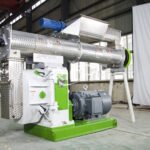
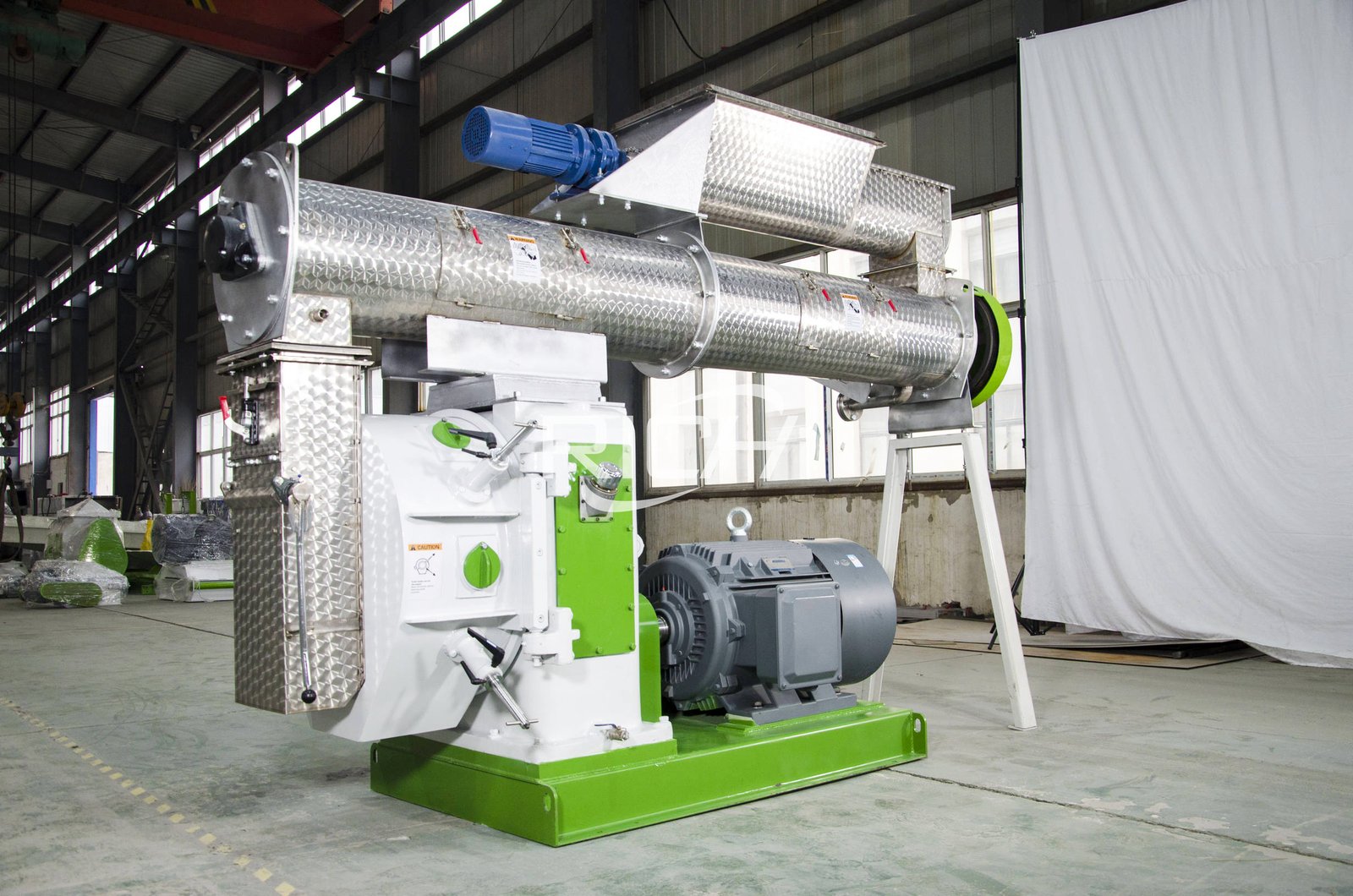
The installed configuration should be the reference throughout the review. Buyers discussing the feed pellet machine and associated process equipment with RICHI Machinery should connect the equipment scope to their actual installation drawings and supply responsibilities. Check the interfaces between supplied machinery and locally provided utilities or conveyors. A component that falls outside the machine supplier’s package still needs an owner before startup. The gate is most useful when it exposes these boundaries rather than assuming that somebody else has already checked them.
Confirm Mechanical Completion With Evidence
Use the approved installation and inspection documents to review alignment, foundations, fasteners, drive arrangements, guarding, and access. Record outstanding work by equipment identifier and physical location. A general statement that the line is complete is not an adequate substitute for inspection results. Tasks affecting safe operation or the intended commissioning sequence should prevent release until resolved. Other items may be carried as controlled outstanding actions only where the responsible engineering and operations authorities agree that they do not compromise the planned trial.
Maintenance access deserves attention before the equipment is crowded by production activity. Confirm that required inspections and component handling can be performed using the approved method and available equipment. Verify that supplied manuals and drawings correspond to the installed model and configuration. Do not improvise tightening values, clearance settings, or lifting arrangements from experience with another press. When documentation is missing or inconsistent, resolve the discrepancy with the supplier before treating mechanical completion as established. The gate should point to the evidence, not simply collect signatures.
Demonstrate Utility Availability Under Relevant Conditions
Electrical supply, control power, compressed air, steam where required, and other utilities should be reviewed by competent personnel against the equipment requirements. Document available conditions at the relevant interface rather than relying only on design ratings. A utility that appears adequate with the machine stopped may behave differently when associated equipment operates. Identify which checks have been performed, the conditions under which they were performed, and which demand-related observations remain for the supervised commissioning run.
Check the supporting systems that control the production environment. Dust collection, ventilation, cooling, condensate handling where applicable, and product transfer should be ready for the planned trial. Assign responsibility for utility faults and define the approved response. Operators should know when to stop and whom to contact rather than compensating for an unstable utility by changing unrelated machine settings. Keep supplier limits and site safety procedures available at the workstation. The first shift should not be the point at which the team discovers that a required utility isolation cannot be identified.
Verify Controls and Protective Functions Before Product Trials
Prepare a documented controls checklist that follows the approved commissioning procedure. Confirm equipment identification, signal interpretation, operating permissions, alarm communication, and the relevant stop arrangements. Safety-related tests must be planned and performed by authorized personnel using the site’s approved method. A controls screen showing normal operation does not by itself prove that field devices, wiring, and protective functions behave correctly. Retain the test evidence and record unresolved discrepancies before allowing the process objective to progress.
Review restart behavior as well as stopping behavior. An interruption should not leave operators uncertain about the equipment state or the sequence needed to restart safely. Define who may clear an alarm, who may authorize re-entry into the startup sequence, and which checks must be repeated. Never treat bypassing a protective function as a way to complete an acceptance run. If the test requires a temporary controlled configuration, it must have explicit authorization, a record, and an approved restoration step. Production readiness requires the intended operating protection to be in place.
Release a Traceable and Suitable Ingredient Batch
The first material batch should be identified, prepared, and approved for the commissioning objective. Record the formulation reference, ingredient sources, relevant preparation conditions, and sampling plan. Confirm that the planned product and die arrangement are compatible according to the equipment and process documentation. Remove uncertainties about ingredient availability, contamination control, and batch transfer before the press is loaded. A well-prepared trial batch helps the team distinguish an installation or controls issue from a feed preparation problem.
Define how unused ingredients, trial product, rejected material, and rework will be identified and handled. Product made during commissioning should not lose its traceability simply because it was produced outside the normal shift routine. Quality staff should establish the applicable release decision and prevent an unapproved trial lot from being treated as saleable output. If the material changes during the shift, record the change and decide whether it creates a new test condition. This avoids attributing a later process response to an earlier equipment adjustment.
Prepare Downstream Handling and Quality Checks
Check that cooling, screening, conveying, storage, and packaging interfaces can accommodate the planned trial. The pellet machine cannot be assessed reliably if its output has nowhere to go or if downstream limitations force repeated stops. Identify the relevant capacity and control boundaries using the installed design information. Plan how trial material will be collected and how production will be stopped if a downstream condition becomes unacceptable. Keep the accepted product weighing point distinct from temporary collection or recirculation arrangements.
Make quality observations usable from the beginning. Agree sampling locations, sample identification, timing, and the tests appropriate to the intended product. Ensure that the instruments and people needed for those tests are actually available during the first shift. Record any result that will not be available immediately and explain how product will remain controlled while waiting. Visual inspection may provide a prompt operating observation, but it should not silently replace a contractual laboratory or physical test. The gate should verify that the planned evidence can be collected, not merely that the plant can make a sample.
Confirm People, Instructions, and Communication
Name the commissioning leader and the people responsible for operations, utilities, maintenance, and quality decisions. Brief the receiving operators on the planned sequence, stop conditions, and communication method. They should understand which changes they may make, which observations they must record, and which decisions require supplier or engineering approval. A contractor’s presence is not a substitute for assigning the buyer’s responsibilities. The plant will eventually operate without that contractor, so the gate should establish who owns the operating instructions and event records.
Check that instruction revisions, equipment labels, and controls terminology agree. A procedure that names a feeder differently from the screen can cause confusion during an interruption. Prepare a concise trial log with fields that operators can complete while carrying out their actual duties. If staffing is insufficient to run the process and collect the agreed evidence safely, change the trial plan. The objective is a controlled first shift, not a demanding exercise that depends on operators remembering measurements after the event.
Assign Stop Criteria and Close Outstanding Actions
Define the conditions that require pausing the trial, stopping the process, or withholding acceptance. These criteria should reference supplier guidance, site procedures, and product requirements rather than arbitrary thresholds invented during the review. Distinguish an observation that needs investigation from a condition that prohibits continued operation. Record the approved response and the person responsible for the decision. Doing this before startup helps prevent commercial pressure from turning an unresolved problem into an informal exception.
An action register should include the issue, consequence, owner, evidence required for closure, and decision about whether the issue blocks the gate. Do not close actions solely on verbal assurances that the work has been completed. Review the evidence or repeat the relevant check. Where the first shift is released with non-blocking outstanding work, retain the conditions of that release. A gate is not a blanket waiver of incomplete work; it is a decision about a defined trial under documented conditions, with unresolved items still visible.
Issue a Clear Release Decision and Preserve the Baseline
The final gate record should say released, conditionally released, or not released, and explain the scope of that decision. Identify the product and operating objective covered, the evidence reviewed, and any checks reserved for the supervised run. Keep the original checklist and action register with the commissioning records. If conditions change before the shift starts, review the affected gate items again rather than assuming that the earlier approval remains valid for a different ingredient batch, utility arrangement, or equipment configuration.
A disciplined pre-commissioning gate gives the buyer a stronger starting point for every later performance discussion. It establishes that the plant was prepared to conduct the trial, that the measurements could be collected, and that responsibilities were clear. The first production shift can then focus on learning and demonstrating process behavior instead of discovering avoidable readiness gaps. That separation improves the quality of the acceptance evidence and makes the eventual handover more understandable to the team responsible for ordinary commercial production.

