

The Growing Importance of Renewable Energy
As concerns about climate change, energy security, and environmental sustainability continue to increase, countries around the world are accelerating their transition toward renewable energy sources. While solar, wind, and hydropower often receive the most attention, biomass energy remains one of the most practical and widely available renewable energy solutions. Among various biomass resources, agricultural waste has emerged as an especially valuable feedstock due to its abundance, renewability, and potential to replace fossil fuels.
Every year, global agriculture generates billions of tons of crop residues. These materials include wheat straw, rice straw, corn stalks, cotton stalks, sunflower stalks, peanut shells, rice husks, sugarcane bagasse, and many other by-products left behind after harvesting. Traditionally, a significant portion of these residues has been burned in fields, discarded, or left to decompose. While these practices may seem convenient, they represent a tremendous waste of potential energy resources.
Modern pelletization technology has transformed the way agricultural waste is utilized. Instead of being treated as a disposal problem, agricultural residues can now be converted into high-density biomass pellets that serve as efficient renewable fuels. This transformation not only creates value from agricultural waste but also contributes to cleaner energy production and sustainable rural development.
As biomass energy markets continue to expand, interest in pellet manufacturing equipment has grown significantly. Many investors, biomass producers, and agricultural enterprises are actively searching for a reliable straw pellet machine for sale to capitalize on the growing demand for agricultural biomass fuel.
Understanding Agricultural Waste Pellets
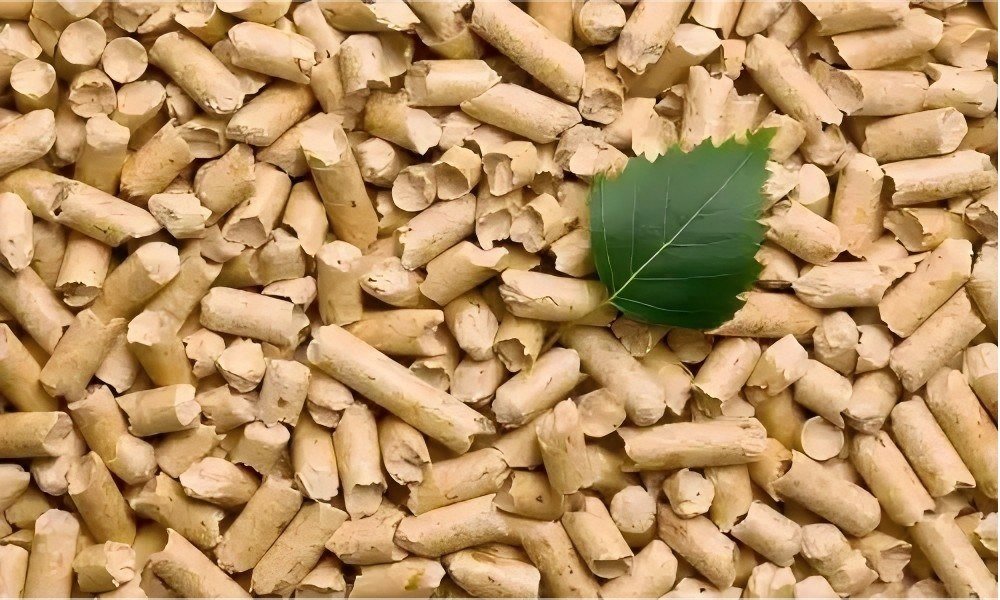
Agricultural waste pellets are compressed biomass fuels produced from crop residues and agricultural by-products. During the pelletization process, loose agricultural materials are ground into fine particles, conditioned, and compressed under high pressure to form dense cylindrical pellets.
Unlike raw agricultural residues, pellets possess consistent size, shape, density, and moisture content. These characteristics make them easier to transport, store, and utilize in various energy applications.
Common agricultural materials used for pellet production include:
- Wheat straw
- Rice straw
- Corn stalks
- Corn cobs
- Rice husks
- Cotton stalks
- Soybean straw
- Peanut shells
- Palm residues
- Sugarcane bagasse
- Sunflower stalks
- Alfalfa residues
The pelletization process significantly improves the physical properties of these materials, turning low-density agricultural waste into a valuable renewable fuel.
Why Agricultural Waste Is an Untapped Energy Resource
Agricultural biomass contains solar energy captured through photosynthesis during plant growth. Every crop residue left in the field represents stored energy that can potentially be converted into useful heat and electricity.
For decades, many agricultural regions have struggled with the challenge of managing crop residues. Farmers often burn residues after harvest to prepare fields for the next planting season. While this method is inexpensive, it generates significant environmental problems.
Open-field burning releases:
- Carbon dioxide
- Carbon monoxide
- Methane
- Nitrogen oxides
- Particulate matter
- Volatile organic compounds
These emissions contribute to air pollution, respiratory diseases, and climate change.
By converting agricultural waste into pellets, farmers and biomass producers can transform an environmental challenge into an economic opportunity. Rather than releasing emissions through uncontrolled burning, biomass can be used to generate renewable energy in a more efficient and environmentally responsible manner.
How Agricultural Waste Pellets Are Produced
The production of agricultural waste pellets involves several key stages.
Raw Material Collection
The process begins with collecting agricultural residues from farms and agricultural processing facilities. Efficient collection systems are essential because agricultural biomass is often dispersed across large geographic areas.
Specialized harvesting and baling equipment may be used to gather straw and stalk materials from fields.
Drying
Moisture content significantly influences pellet quality. Most agricultural residues must be dried to appropriate levels before pelletization.
Excessive moisture can:
- Reduce pellet durability
- Increase energy consumption
- Cause storage problems
- Lower combustion efficiency
Drying systems help ensure that biomass reaches optimal moisture levels for processing.
Size Reduction
Agricultural residues are typically ground into smaller particles using hammer mills or other crushing equipment.
Uniform particle size improves:
- Pellet quality
- Compression efficiency
- Fuel consistency
- Production stability
Pelletizing
The prepared biomass is fed into a pellet mill where high pressure compresses the material into pellets.
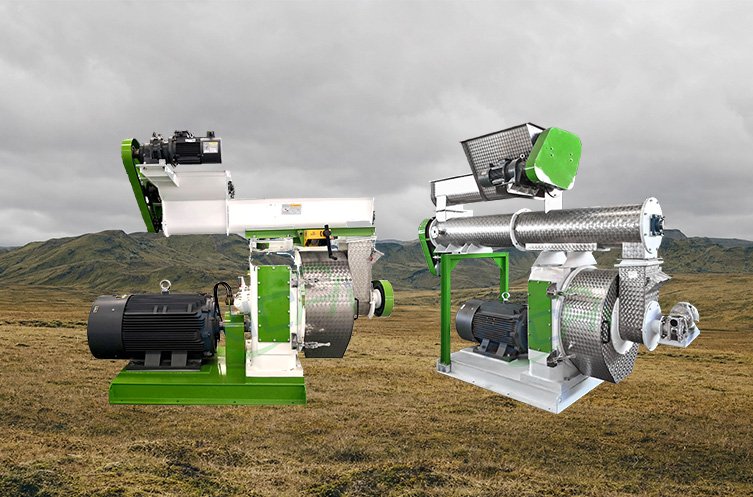
The natural lignin present in plant fibers softens under pressure and temperature, acting as a natural binder that holds the pellets together.
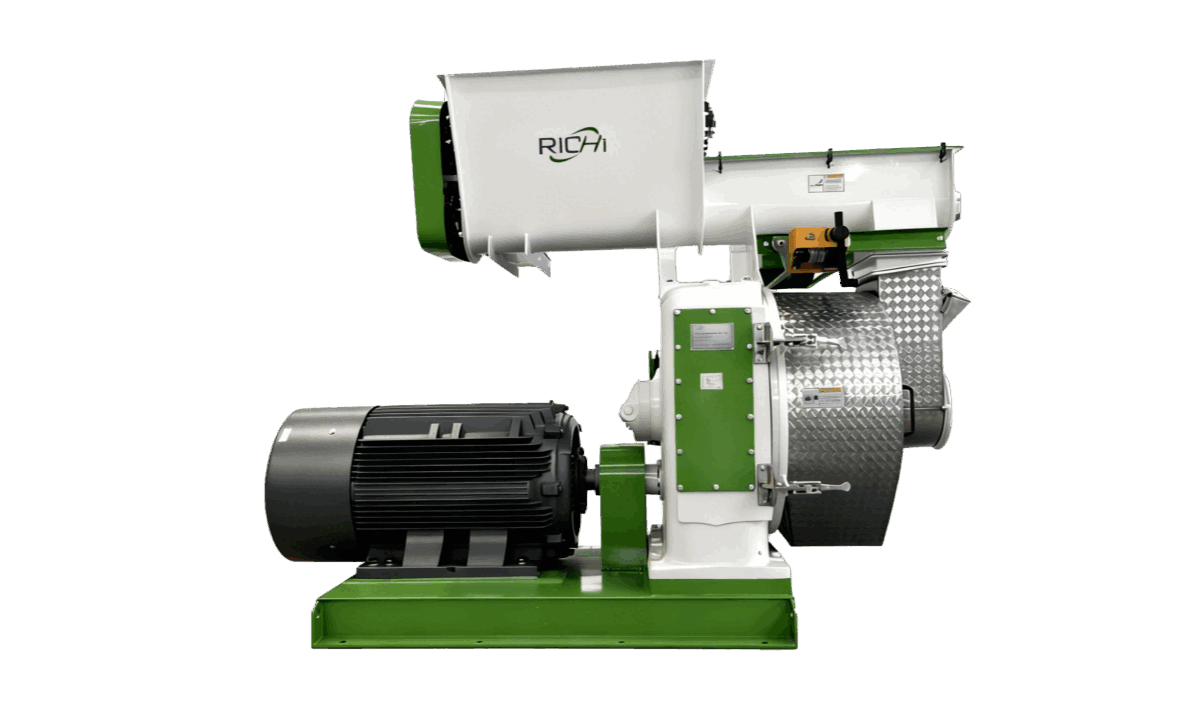
Today, many biomass producers search for a straw pellet machine for sale because modern pellet mills can efficiently process large quantities of agricultural residues while maintaining high pellet quality.
https://richipelletizer.com/straw-pellet-machine-for-sale
Cooling and Screening
Fresh pellets are hot and relatively soft when they exit the pellet mill.
Cooling systems:
- Reduce pellet temperature
- Improve hardness
- Increase durability
- Enhance storage stability
Screening equipment removes fines and broken pellets to ensure product consistency.
Packaging and Storage
Finished pellets are packaged in bags or stored in bulk silos before transportation to customers or energy facilities.
Proper storage protects pellets from moisture and preserves fuel quality.
(Learn more about automatic straw pellet plant)
Agricultural Waste Pellets as a Renewable Fuel Source
One of the primary reasons agricultural waste pellets support renewable energy is their ability to serve as a direct substitute for fossil fuels.
Biomass pellets can be used in:
- Residential heating systems
- Commercial boilers
- Industrial furnaces
- Biomass power plants
- Combined heat and power facilities
Unlike coal or oil, agricultural biomass is renewable because new crops are grown every year. As long as agricultural production continues, new biomass resources will be generated continuously.
This renewable nature makes agricultural waste pellets an important component of sustainable energy systems.
Supporting Carbon Reduction Goals
Many countries have established ambitious carbon reduction targets to combat climate change.
Agricultural waste pellets help support these goals in several ways.
Lower Net Carbon Emissions
When biomass is burned, carbon dioxide is released into the atmosphere. However, this carbon was originally absorbed by plants during growth.
As new crops grow, they absorb carbon dioxide again, creating a relatively balanced carbon cycle.
In contrast, fossil fuels release carbon that has been stored underground for millions of years, adding new carbon to the atmosphere.
Reduced Open Burning
Pellet production reduces the need for open-field burning of agricultural residues.
This provides significant environmental benefits, including:
- Lower particulate emissions
- Reduced smoke pollution
- Improved air quality
- Lower greenhouse gas emissions
Supporting Renewable Energy Policies
Governments increasingly recognize biomass pellets as an important renewable energy source.
Many countries offer:
- Renewable energy incentives
- Carbon credits
- Biomass subsidies
- Investment support programs
These policies encourage greater adoption of agricultural biomass fuels.
Improving Energy Security
Energy security has become a major concern for many countries due to geopolitical instability and fluctuations in fossil fuel markets.
Agricultural waste pellets contribute to energy security by providing locally sourced renewable fuel.
Reducing Fuel Imports
Many nations rely heavily on imported oil, natural gas, and coal.
Using agricultural biomass can reduce dependence on imported fuels and improve national energy independence.
Diversifying Energy Sources
A diversified energy portfolio is generally more resilient than one that depends heavily on a single fuel source.
Agricultural biomass complements other renewable energy sources such as:
- Solar power
- Wind energy
- Hydropower
- Geothermal energy
Together, these resources create a more stable and sustainable energy system.
Economic Benefits for Farmers
Agricultural waste pellet production creates significant economic opportunities for farmers.
Traditionally, crop residues generated little or no income. In some cases, disposal even created additional costs.
Pellet production changes this equation by creating a market for agricultural residues.
Farmers can:
- Sell crop residues to pellet producers
- Establish biomass collection businesses
- Invest in pellet manufacturing facilities
- Diversify farm income sources
This additional revenue can improve farm profitability and reduce financial risks associated with fluctuating commodity prices. (see post)
Creating Rural Employment Opportunities
The agricultural waste pellet industry supports job creation throughout rural communities.
Employment opportunities exist in:
- Biomass collection
- Transportation
- Equipment operation
- Pellet production
- Quality control
- Equipment maintenance
- Sales and distribution
These jobs help stimulate local economies and reduce migration from rural areas to urban centers.
A pellet manufacturing facility often creates a positive economic ripple effect by supporting additional businesses and services throughout the region.
Supporting Industrial Renewable Energy Adoption
Industrial facilities consume enormous amounts of thermal energy.
Industries such as:
- Food processing
- Textile manufacturing
- Paper production
- Chemical processing
- Building materials manufacturing
often rely heavily on fossil fuels.
Agricultural waste pellets provide a renewable alternative that can help industries reduce both fuel costs and environmental impacts.
Many industrial boilers can be modified to use biomass pellets, making the transition relatively straightforward.
Biomass Power Generation Applications
Power generation represents one of the largest markets for agricultural biomass pellets.
Biomass power plants convert pellet fuel into electricity through controlled combustion processes.
Advantages include:
- Renewable electricity generation
- Reduced carbon emissions
- Reliable baseload power
- Utilization of agricultural residues
Unlike solar and wind energy, biomass power generation can operate continuously regardless of weather conditions.
This reliability makes biomass an important complement to intermittent renewable energy sources.
Co-Firing with Coal
Many existing coal-fired power plants have adopted biomass co-firing strategies.
Co-firing involves replacing a portion of coal consumption with biomass pellets.
Benefits include:
- Reduced carbon emissions
- Lower environmental impact
- Continued use of existing infrastructure
- Gradual energy transition
Agricultural waste pellets are particularly attractive for co-firing because they can often be integrated into existing systems with relatively minor modifications.
Advantages of Agricultural Waste Pellets Over Raw Biomass
Pelletization significantly improves the usability of agricultural biomass.
Higher Energy Density
Raw straw and crop residues are bulky and difficult to transport efficiently.
Pelletization dramatically increases density, allowing more energy to be transported per truckload.
Improved Storage
Loose biomass requires large storage areas and can be difficult to handle.
Pellets occupy less space and offer superior storage characteristics.
Consistent Quality
Agricultural waste pellets provide:
- Uniform size
- Consistent moisture content
- Predictable combustion performance
These qualities improve efficiency in biomass energy systems.
Reduced Transportation Costs
Higher density means lower transportation costs per unit of energy delivered.
This improves the economics of biomass fuel production and distribution.
Technological Advancements Driving Industry Growth
Modern pellet production technology has significantly improved the economics of agricultural waste utilization.
Today’s pellet mills offer:
- Higher capacity
- Better energy efficiency
- Automated controls
- Improved durability
- Lower operating costs
Many investors exploring biomass opportunities are specifically searching for a straw pellet machine for sale because advanced equipment enables efficient conversion of crop residues into commercial fuel products.
Automation systems now allow operators to monitor:
- Production rates
- Moisture levels
- Pellet quality
- Energy consumption
- Equipment performance
These technologies improve both profitability and product consistency.
Challenges Facing Agricultural Waste Pellet Production
Despite its many advantages, agricultural waste pellet production faces several challenges.
Feedstock Collection
Agricultural residues are often spread across large areas, making collection logistics complex.
Efficient transportation networks are essential for maintaining profitability.
Seasonal Availability
Many agricultural residues are generated seasonally.
Producers must develop storage strategies to ensure year-round supply.
Moisture Variability
Different agricultural residues contain varying moisture levels.
Additional drying may be required before pelletization.
Ash Content
Certain agricultural materials contain higher ash levels than wood biomass.
Managing ash characteristics is important for maintaining combustion performance.
Despite these challenges, ongoing technological improvements continue to strengthen the industry’s competitiveness.
Future Prospects for Agricultural Waste Pellets
The future of agricultural waste pellets appears highly promising.
Several trends are expected to drive continued growth:
- Expanding renewable energy investments
- Increasing carbon reduction commitments
- Rising fossil fuel prices
- Greater emphasis on circular economy principles
- Improved biomass processing technologies
As governments and industries seek sustainable energy solutions, agricultural waste pellets are likely to play an increasingly important role.
Demand for biomass fuel production equipment will also continue to grow. As a result, interest in obtaining a reliable straw pellet machine for sale is expected to increase among biomass entrepreneurs, agricultural cooperatives, and renewable energy investors.
Conclusion
Agricultural waste pellets represent one of the most effective ways to transform underutilized crop residues into valuable renewable energy resources. By converting straw, stalks, husks, and other agricultural by-products into dense biomass fuel, pellet production supports carbon reduction, energy security, rural development, and sustainable economic growth.
The technology not only helps reduce environmental problems associated with agricultural waste disposal but also creates new income opportunities for farmers and rural communities. Modern pellet manufacturing equipment, including a high-quality straw pellet machine for sale, enables efficient conversion of agricultural residues into standardized fuel products suitable for residential heating, industrial energy generation, and utility-scale power production.
As the global energy transition continues, agricultural waste pellets will remain an important component of renewable energy strategies. Their abundance, renewability, environmental benefits, and economic potential make them a valuable solution for meeting future energy demands while supporting a cleaner and more sustainable world.