


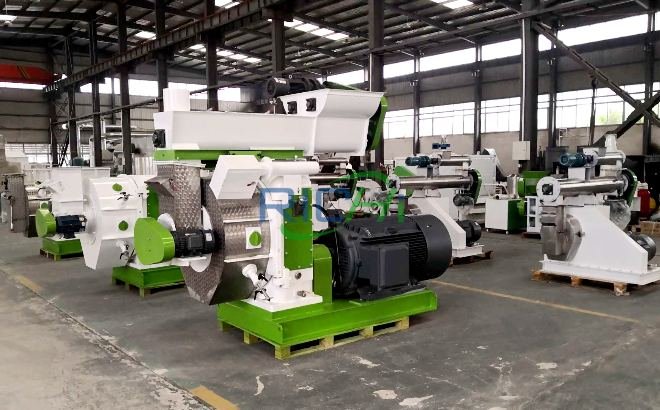
Introduction to Wood Pellet Processing Technology
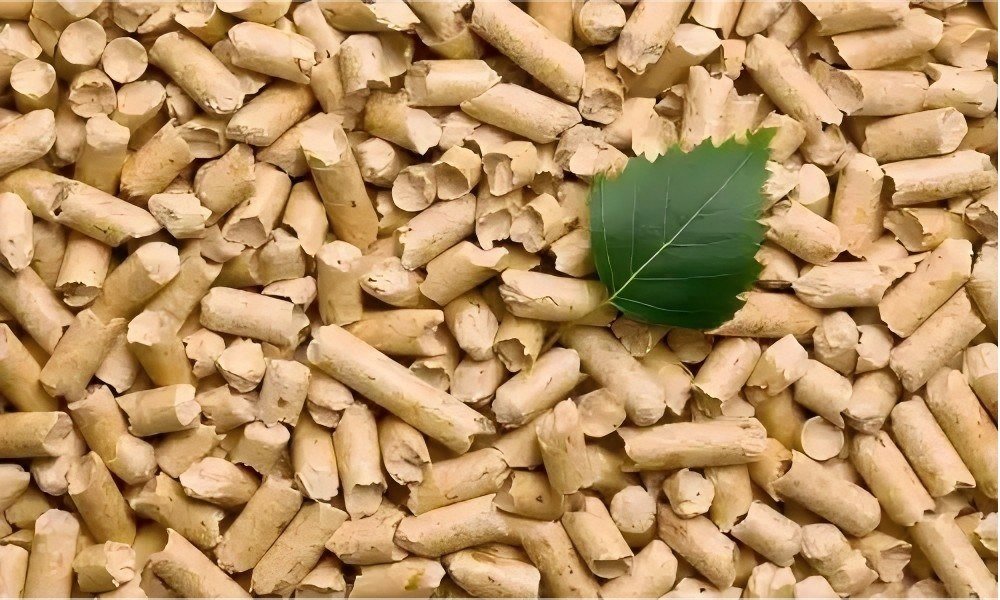
The demand for renewable energy has encouraged industries to develop more efficient methods for utilizing wood waste and biomass resources. Materials such as sawdust, wood chips, agricultural residues, and forestry waste can be transformed into valuable biomass fuel pellets through advanced processing technology.
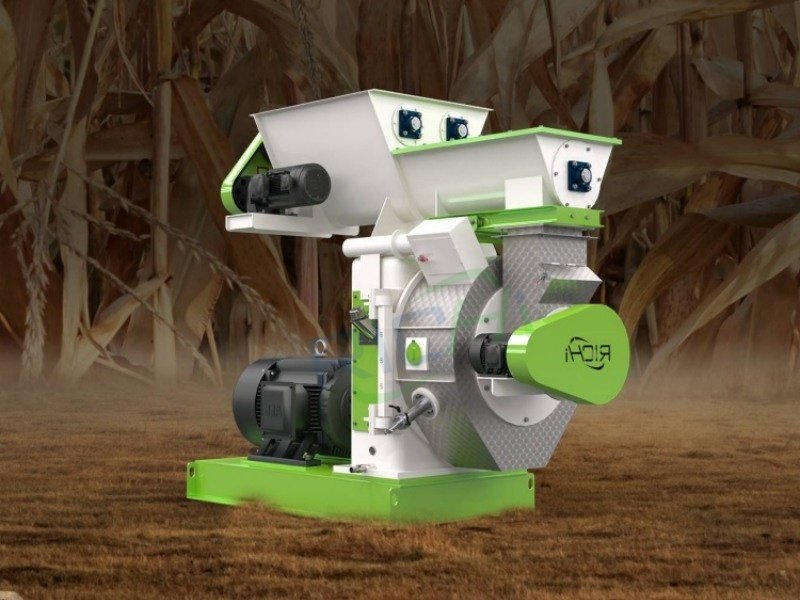
A professional wood pellet extruder machine provides an effective solution for compressing and shaping biomass materials into uniform pellets. Through mechanical extrusion and pressure forming technology, the equipment improves material density, enhances storage performance, and creates products suitable for various energy applications.
Modern wood pellet processing equipment is widely used in biomass fuel factories, wood processing enterprises, and renewable energy projects. It helps businesses convert waste materials into profitable products while supporting sustainable energy development.
The Importance of Wood Pellet Extruder Machines
Converting Wood Waste into Valuable Products
Wood processing industries generate large amounts of residues every year, including sawdust, wood shavings, and chips. Without proper utilization, these materials may create waste management challenges.
A wood pellet extruder machine helps transform these low-value residues into high-density pellets with better commercial value.
The pelletizing process provides several benefits:
- Increased material density
- Easier storage and transportation
- Improved fuel performance
- Reduced biomass waste
By processing wood residues into pellets, companies can create additional revenue opportunities while improving resource efficiency.
Supporting Renewable Energy Applications
Wood pellets are widely recognized as an environmentally friendly fuel source. Compared with traditional fossil fuels, biomass pellets are produced from renewable resources and can support cleaner energy systems.
They are commonly used in:
- Industrial boilers
- Residential heating systems
- Biomass power plants
- Commercial energy projects
Efficient pellet production technology helps meet the growing demand for sustainable fuel alternatives.
How Wood Pellet Extruder Machines Work
Raw Material Preparation
Before entering the extrusion process, wood materials require proper preparation.
Typical preparation steps include:
- Crushing large wood particles
- Removing impurities
- Adjusting moisture content
- Creating suitable particle sizes
Proper preparation ensures stable machine operation and improves pellet quality.
Extrusion and Pellet Forming
During operation, prepared biomass materials enter the forming chamber. The machine applies mechanical pressure to compress the materials through specially designed openings.
The extrusion process creates compact pellets with improved density and durability.
A reliable pelletizing system ensures:
- Stable production
- Consistent pellet dimensions
- Better mechanical strength
- Improved product appearance
Cooling and Screening
After extrusion, newly produced pellets require cooling to stabilize their structure.
Screening equipment removes broken or irregular pellets, ensuring that finished products meet quality requirements before storage and transportation.
Factors Affecting Biomass Pellet Production Costs
Raw Material Availability
Raw material cost is one of the major factors influencing pellet production investment.
Businesses should evaluate:
- Local biomass resources
- Material transportation distance
- Storage requirements
- Processing conditions
Using available biomass resources efficiently can significantly improve production profitability.
Equipment Configuration
The total investment depends on the selected production system, including crushing, drying, pelletizing, cooling, and packaging equipment.
When researching biomass pellet machine price, businesses should consider not only the initial purchase cost but also:
- Production capacity
- Energy consumption
- Maintenance costs
- Equipment lifespan
A suitable equipment configuration provides better long-term economic benefits.
Production Capacity Requirements
Different projects require different output levels.
Small biomass producers may choose compact machines, while industrial pellet factories require larger systems designed for continuous production.
Selecting the correct capacity helps balance investment and production efficiency.
Advantages of Biomass Pellet Production
Improved Resource Utilization
Biomass pellet production allows companies to reuse materials that might otherwise become waste.
Common pellet materials include:
- Sawdust
- Wood chips
- Agricultural residues
- Forestry waste
This supports circular resource utilization and sustainable manufacturing.
Better Storage and Transportation Efficiency
Raw biomass materials usually have low density and require significant storage space.
Pellets provide higher density, making them easier to:
- Store
- Package
- Transport
- Distribute
This improves supply chain efficiency and reduces logistics challenges.
Stable Market Applications
Biomass pellets have broad market applications due to their convenient handling and renewable characteristics.
They are used in:
- Heating systems
- Industrial energy production
- Biomass fuel markets
- Renewable energy projects
Selecting Reliable Biomass Pellet Equipment
Evaluating Equipment Performance
Before investing in pellet production equipment, businesses should evaluate:
- Production stability
- Energy efficiency
- Machine durability
- Maintenance requirements
High-quality equipment helps reduce downtime and improve production reliability.
Considering Manufacturer Experience
Choosing an experienced equipment provider is important for successful biomass projects.
Professional manufacturers can provide:
- Equipment selection advice
- Production line design
- Technical guidance
- After-sales support
Companies looking for more information about wood pellet technology can read additional resources to understand equipment applications, production methods, and industry development trends.
When selecting equipment from Richi machinery manufacture, businesses should consider production requirements, processing performance, and long-term operational benefits.
Building a Complete Wood Pellet Production System
Main Production Stages
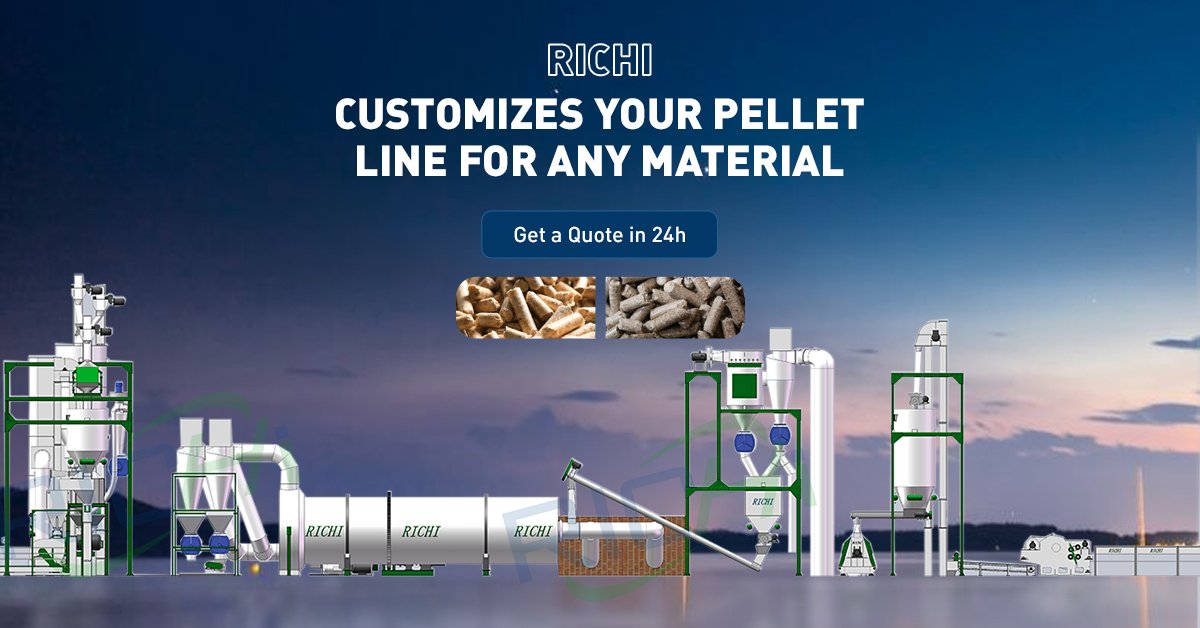
A complete wood pellet production line usually includes:
- Raw material collection
- Crushing process
- Drying system
- Pellet extrusion
- Cooling process
- Screening process
- Packaging system
Each stage contributes to final pellet quality and production efficiency.
Customized Solutions for Different Industries
Different businesses have different production goals.
A customized pellet production system can be designed according to:
- Available raw materials
- Required capacity
- Factory conditions
- Final product applications
Professional equipment solutions help businesses achieve more efficient operations.
Future Development of Biomass Pellet Technology
The biomass pellet industry is moving toward automation, intelligent control, and energy-efficient production.
Future equipment improvements will focus on:
- Higher production efficiency
- Lower energy consumption
- Automated monitoring systems
- Improved pellet quality control
As renewable energy demand continues increasing, wood pellet production technology will become increasingly important for global sustainable development.
Conclusion
A wood pellet extruder machine provides an effective solution for converting wood waste and biomass materials into high-quality fuel pellets. Through advanced extrusion technology, businesses can improve resource utilization, reduce waste, and create valuable renewable energy products.
By understanding factors affecting biomass pellet machine price and selecting reliable equipment from Richi machinery manufacture, companies can establish efficient pellet production systems and achieve long-term benefits in the growing biomass energy market.
View details: https://www.richimanufacture.com/wood-pellet-extruder-machine/