


Introduction
As the global demand for sustainable energy continues to rise, countries and industries are increasingly looking for alternatives to fossil fuels. One of the most promising solutions is the conversion of agricultural waste into renewable solid fuel through pelletizing technology. Agricultural residues such as straw, rice husk, corn stalks, sugarcane bagasse, and forestry by-products are abundant, renewable, and often underutilized. When processed into high-density pellets, these materials become a reliable and efficient source of clean energy.
Agricultural waste pelletizing not only helps reduce environmental pollution caused by open burning and landfill disposal but also contributes to the circular economy by transforming waste into valuable energy resources. Central to this process are specialized machines such as the straw pellet mill, which plays a crucial role in converting low-density biomass into compact, energy-rich fuel pellets.
This article explores how agricultural waste pelletizing supports clean energy development, its environmental and economic benefits, the technology involved, and its future potential in global energy systems.
1. The Growing Problem of Agricultural Waste
Agriculture generates billions of tons of waste annually worldwide. After harvest, large volumes of residues remain in fields, including:
- Wheat straw
- Rice straw
- Corn stalks
- Rice husks
- Sugarcane leaves and bagasse
- Peanut shells
- Cotton stalks
In many regions, especially developing agricultural economies, these residues are often burned in open fields. This practice leads to:
- Severe air pollution (PM2.5 and CO₂ emissions)
- Soil nutrient loss
- Public health risks
- Wasted energy resources
At the same time, global energy demand continues to increase, and fossil fuels remain the dominant source of power generation. This imbalance creates both an environmental challenge and an opportunity.
Agricultural waste pelletizing addresses this problem by converting these residues into usable biomass fuel.
2. What Is Agricultural Waste Pelletizing?
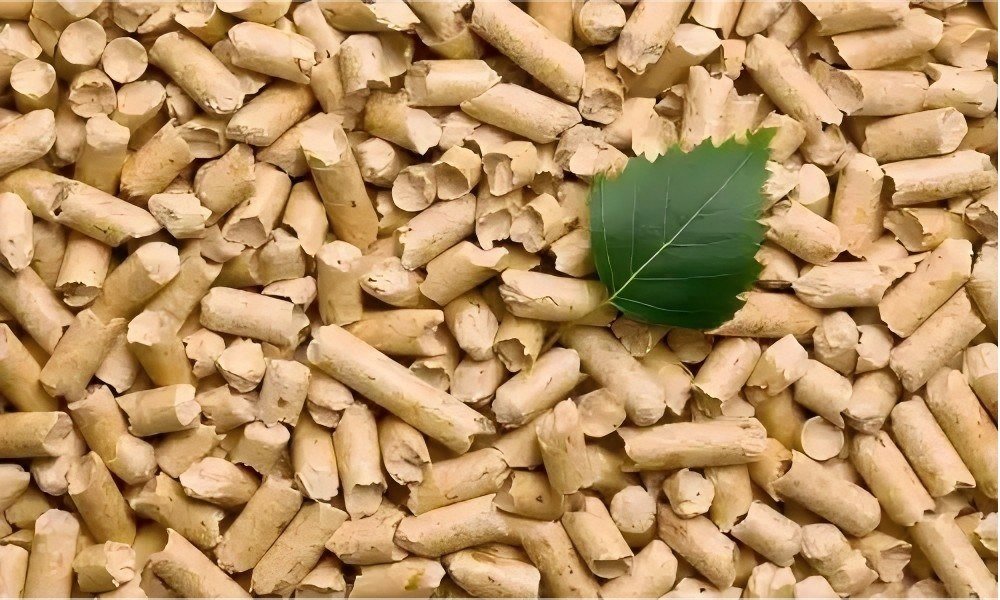
Agricultural waste pelletizing is the process of compressing raw biomass materials into small, dense cylindrical pellets using mechanical pressure and heat. These pellets are typically used as:
- Industrial boiler fuel
- Power plant fuel
- Residential heating fuel
- Co-firing fuel in coal power plants
The process generally involves several stages:
- Raw material collection
- Crushing or grinding
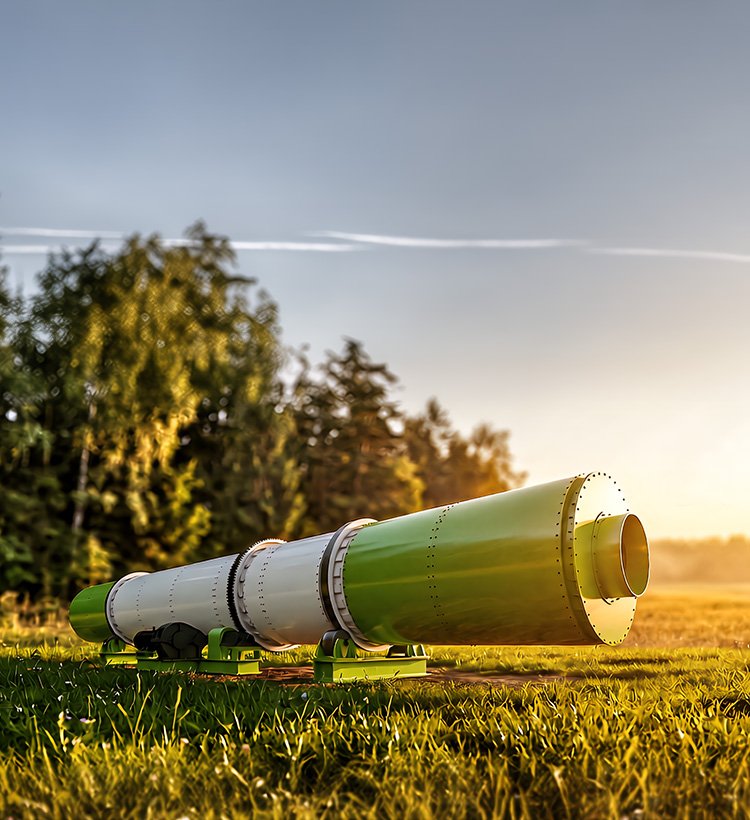
- Drying to optimal moisture content
- Pelletizing using a pellet mill
- Cooling and screening
- Packaging and transportation
The result is a standardized solid fuel with high energy density, low moisture content, and improved combustion efficiency.
3. Role of the Straw Pellet Mill in Clean Energy Production
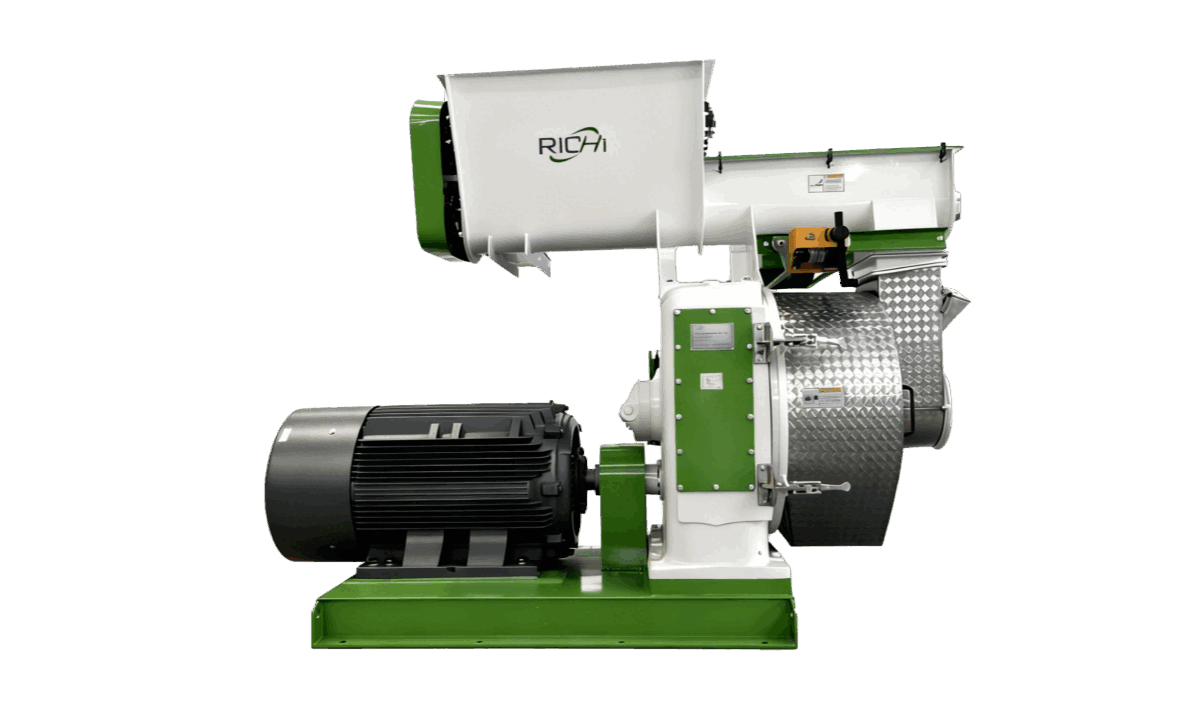
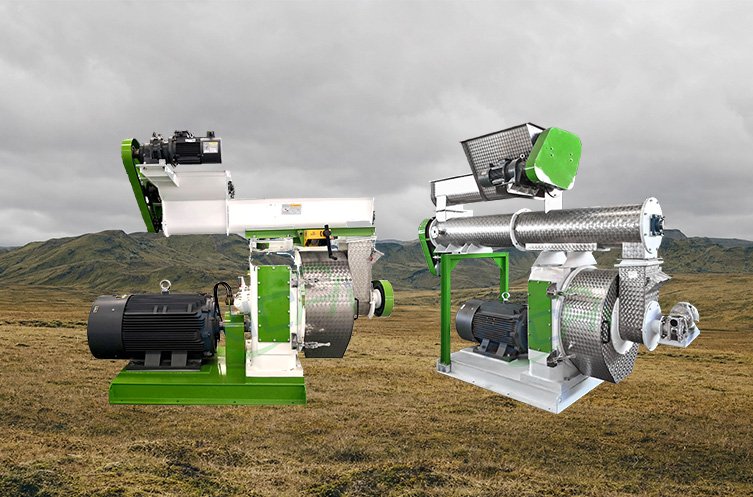
Among all types of biomass equipment, the straw pellet mill is one of the most important machines in agricultural waste processing systems.
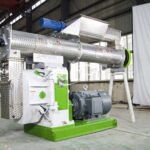
A straw pellet mill is specifically designed to handle fibrous agricultural residues such as wheat straw, rice straw, and corn stalks. These materials are difficult to use directly due to their low bulk density and irregular shape. The pellet mill compresses them under high pressure through a die system, forming uniform pellets.
https://pelletisingmachine.com/straw-pellet-mill
Key advantages of straw pellet mill technology include:
- High compression efficiency for fibrous materials
- Durable die and roller system for continuous operation
- Ability to process various straw-based raw materials
- Stable pellet quality with consistent size and density
- Suitable for small, medium, and large-scale production lines
By transforming loose straw into compact fuel, the straw pellet mill significantly enhances the energy usability of agricultural residues.
4. How Pelletizing Improves Energy Efficiency
One of the main advantages of agricultural waste pelletizing is the improvement in energy efficiency. Raw biomass has several limitations:
- Low energy density
- High moisture content
- Irregular shape and size
- Difficult storage and transportation
After pelletizing, these issues are significantly reduced.
Energy benefits of biomass pellets:
- Higher calorific value per unit volume
- Lower moisture content (typically 8–12%)
- Improved combustion efficiency
- Reduced smoke and particulate emissions
- Stable burning performance
Compared to raw straw, pellets can increase energy density by up to 3–5 times, making them much more practical for industrial and residential use.
5. Environmental Benefits of Agricultural Waste Pelletizing
Agricultural waste pelletizing plays a vital role in environmental protection and climate change mitigation.
5.1 Reduction of Air Pollution
Open-field burning of agricultural residues is a major source of air pollution in many countries. Pelletizing eliminates the need for burning by converting waste into fuel.
5.2 Carbon Neutral Energy Source
Biomass is considered carbon-neutral because the CO₂ released during combustion is offset by the CO₂ absorbed during plant growth.
5.3 Waste Reduction
Instead of being discarded or burned, agricultural residues are reused as valuable energy resources.
5.4 Soil Protection
Removing residues in a controlled manner prevents harmful burning practices that degrade soil fertility.
5.5 Lower Dependence on Fossil Fuels
By replacing coal and other fossil fuels, biomass pellets help reduce greenhouse gas emissions.
6. Economic Benefits for Farmers and Industries
Agricultural waste pelletizing is not only environmentally beneficial but also economically valuable.
6.1 Additional Income for Farmers
Farmers can sell agricultural residues instead of burning them, creating an additional revenue stream.
6.2 Job Creation
Pellet production facilities create jobs in rural areas, including:
- Raw material collection
- Processing plant operation
- Logistics and transportation
6.3 Lower Energy Costs
Biomass pellets are often cheaper than coal or natural gas in regions with abundant agricultural waste.
6.4 Export Opportunities
Countries with large agricultural sectors can export biomass pellets to energy-deficient regions.
7. Industrial Applications of Biomass Pellets
Agricultural waste pellets are used in a wide range of industries.
7.1 Power Generation
Many power plants co-fire biomass pellets with coal to reduce emissions.
7.2 Industrial Boilers
Factories use biomass pellets as fuel for steam generation and heating processes.
7.3 Residential Heating
In cold regions, biomass pellets are used in pellet stoves for home heating.
7.4 Combined Heat and Power (CHP)
Pellets are used in CHP systems to produce both electricity and heat efficiently. (click here to read)
8. Production Process of Agricultural Waste Pellets
A typical pellet production line includes multiple stages:
8.1 Crushing
Large straw bales are broken down into smaller particles.
8.2 Drying
Moisture content is reduced to ensure efficient pellet formation.
8.3 Pelletizing
The dried material is compressed using machines such as the straw pellet mill, forming solid pellets.
8.4 Cooling
Fresh pellets are cooled to increase hardness and durability.
8.5 Screening
Fine particles are removed to ensure uniform product quality.
8.6 Packaging
Finished pellets are packed for storage or transportation.
9. Technological Advancements in Pelletizing Systems
Modern biomass pelletizing technology has significantly improved efficiency and output quality.
Key innovations include:
- Intelligent control systems
- Energy-efficient motors
- Wear-resistant alloy dies
- Automatic lubrication systems
- Integrated dust removal systems
These improvements make pellet production more stable, cost-effective, and environmentally friendly.
10. Challenges in Agricultural Waste Pelletizing
Despite its advantages, the industry still faces several challenges:
10.1 Raw Material Collection
Agricultural residues are often scattered across large areas, making collection difficult.
10.2 Seasonal Availability
Biomass supply is seasonal, depending on harvest cycles.
10.3 Transportation Costs
Low-density raw materials can be expensive to transport before pelletizing.
10.4 Initial Investment
Pellet production equipment requires capital investment, which may be a barrier for small businesses.
However, with proper planning and government support, these challenges can be effectively managed.
11. Future Outlook of Biomass Pellet Energy
The future of agricultural waste pelletizing is closely tied to global renewable energy development. Several trends are shaping the industry:
11.1 Growing Renewable Energy Demand
Countries are setting carbon reduction targets, increasing demand for biomass energy.
11.2 Policy Support
Governments are promoting biomass energy through subsidies and incentives.
11.3 Technological Integration
Automation and AI-based control systems are improving production efficiency.
11.4 Expansion of Global Trade
Biomass pellets are becoming a global commodity in the renewable energy market.
With continued innovation, agricultural waste pelletizing is expected to play a major role in achieving global carbon neutrality goals.
Conclusion
Agricultural waste pelletizing is a powerful solution that transforms an environmental problem into a clean energy opportunity. By converting crop residues into high-efficiency fuel, it supports sustainable development, reduces pollution, and creates economic value.
The straw pellet mill is at the heart of this transformation, enabling efficient processing of fibrous agricultural materials into usable energy pellets. As technology advances and global demand for renewable energy increases, biomass pellet production will continue to expand, playing a critical role in the future of clean and sustainable energy systems.
In essence, agricultural waste pelletizing is not just a waste management strategy—it is a key pillar in the transition toward a greener, more sustainable world.