The Environmental Impact of Unprocessed Straw Waste
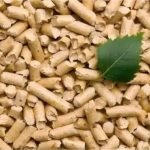
Straw waste from grain crops is one of the most abundant agricultural by-products globally, and improper disposal (such as burning) contributes to air pollution and soil degradation. The straw pellet mill offers an eco-friendly alternative, converting straw into dense, usable pellets that reduce waste and promote sustainable farming practices, benefiting both the environment and farmers.
What Makes Straw Pellet Mill Stand Out
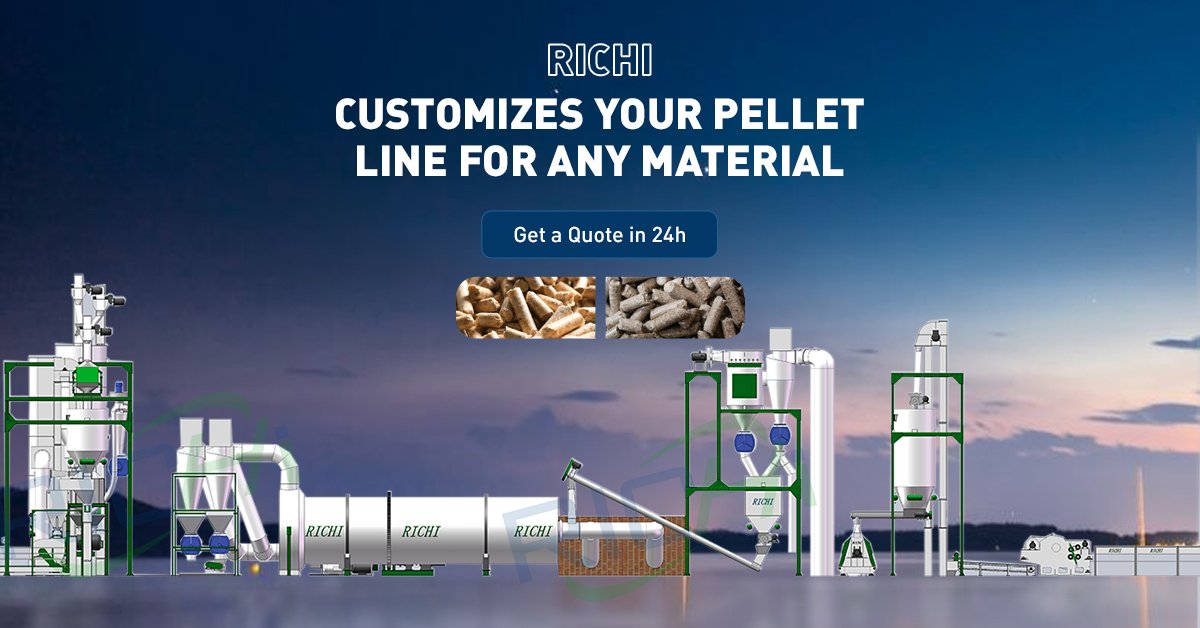
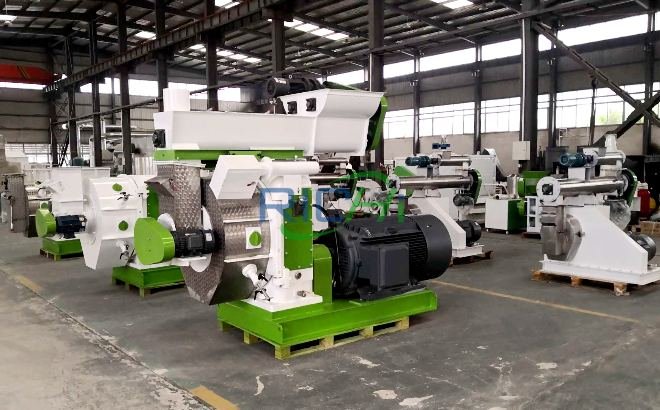
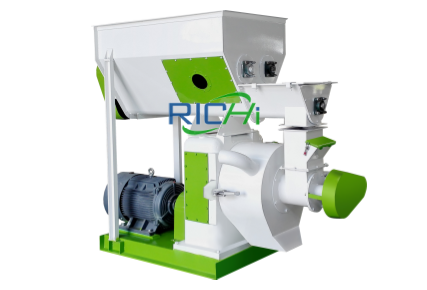
A high-quality straw pellet mill can handle various straw types—wheat, corn, rice—with adjustable settings to produce pellets of different sizes. It features a built-in drying system to handle high-moisture straw, ensuring consistent pellet quality and durability. The machine’s automated feeding and discharging systems reduce labor costs, making it suitable for both small and medium-sized farms.
Farms that also process peanut waste can pair the straw pellet mill with a peanut shell pellet machine to create a comprehensive waste processing line. For farms with livestock, adding a livestock feed pellet machine allows for multi-purpose use, producing both biomass fuel and animal feed. To explore the full potential of straw pellet mills, Look At This environmental guide for agricultural waste management. All these eco-friendly machines are supplied by Richi Machinery, a leader in sustainable agricultural equipment.
Environmental and Economic Gains
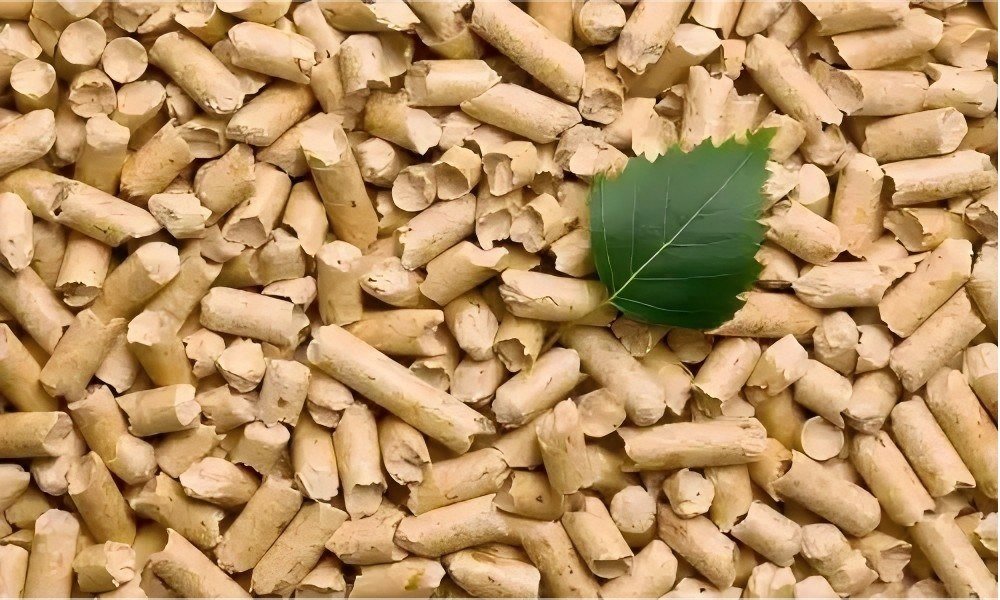
Using a straw pellet mill reduces air pollution from straw burning and turns waste into a valuable commodity. Straw pellets are in high demand for heating and power generation, providing farmers with an additional revenue stream. Additionally, the machine helps farms meet sustainability goals, making them more attractive to eco-conscious buyers and government programs. It’s a win-win solution for the environment and farm finances.