For centuries, horses have played an essential role in agriculture, sports, tourism, and recreation. Today, whether they are raised on breeding farms, racing facilities, riding schools, or private ranches, horse owners all share one common goal—providing balanced nutrition that supports health, performance, and long-term wellbeing. As feeding standards continue to improve, loose feed is gradually being replaced by high-quality pelleted feed because it offers better consistency, easier storage, and reduced waste.
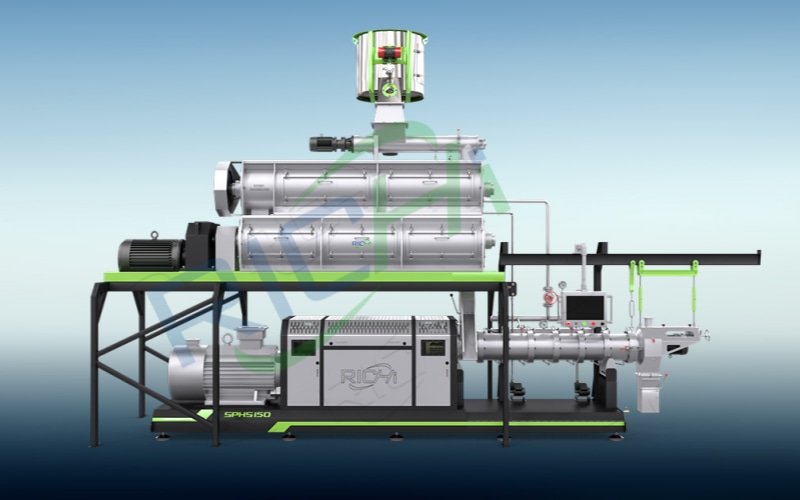
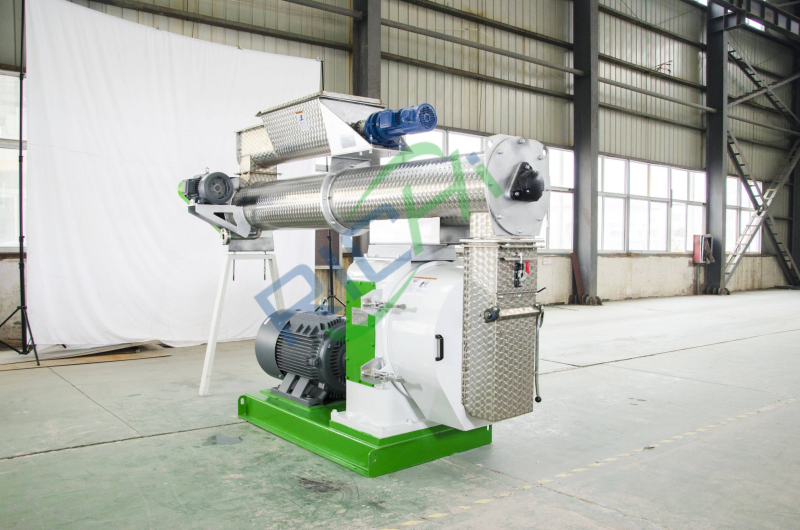
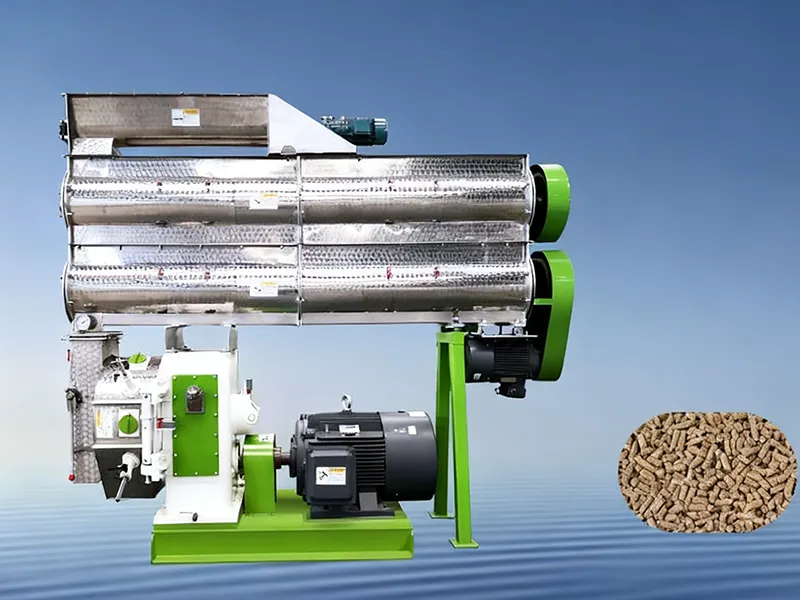
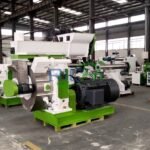
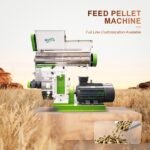
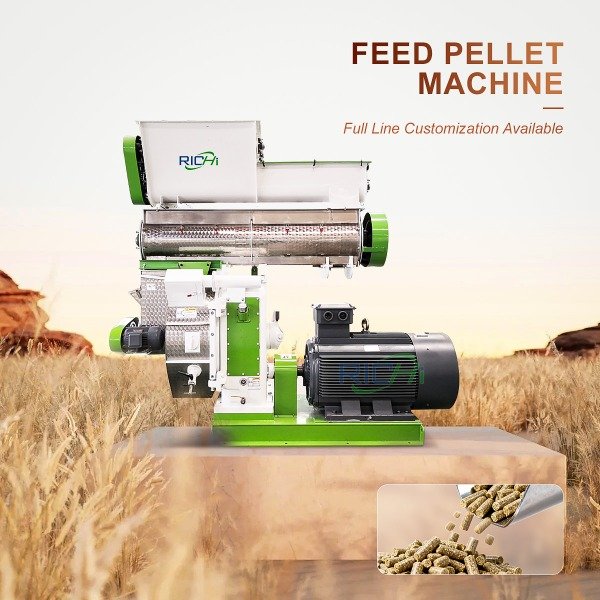
Behind this transformation is the horse feed pellet machine, a specialized piece of equipment designed to convert mixed feed ingredients into uniform pellets. Modern pellet technology not only improves feed quality but also increases production efficiency, making it an essential investment for commercial feed manufacturers and large equine farms.
Unlike traditional feeding methods, pellet production combines grinding, mixing, conditioning, and compression into a continuous manufacturing process. This ensures that every pellet contains the same nutritional composition, allowing horses to receive balanced nutrition with every meal.
Why Pelleted Horse Feed Is Becoming More Popular
Horse nutrition is more complex than simply providing hay and grain. Depending on age, breed, workload, and health condition, horses require different proportions of fiber, protein, vitamins, minerals, and energy.
Pelleted feed offers several important advantages over loose feed.
First, every pellet contains a uniform mixture of ingredients. Horses cannot selectively eat only the grains they prefer, reducing nutrient imbalance.
Second, pelleted feed creates less dust, helping maintain better respiratory health in stables.
Third, pellets are easier to transport and store because they occupy less space and generate fewer losses during handling.
Finally, properly produced pellets remain stable during transportation and long-term storage, reducing waste caused by moisture or separation of ingredients.
These advantages explain why more commercial horse farms are switching from traditional feed mixtures to professionally manufactured pellets.
Common Ingredients Used in Horse Feed
A modern horse feed formula normally combines several raw materials to provide balanced nutrition. Common ingredients include:
- Alfalfa meal
- Timothy hay
- Oat hay
- Corn
- Barley
- Oats
- Wheat bran
- Soybean meal
- Beet pulp
- Vegetable oil
- Vitamin and mineral premix
- Salt
- Calcium supplements
The exact formulation depends on the nutritional goals of the customer. Performance horses generally require higher energy levels, while breeding horses and older horses often need additional fiber and mineral supplementation.
How Horse Feed Pellets Are Produced
The manufacturing process begins with raw material preparation.
Large pieces of hay or forage are first crushed into smaller particles using a hammer mill. Grain ingredients are also ground to achieve a consistent particle size, allowing all materials to mix evenly.
Next, the ingredients enter a mixer where vitamins, minerals, and other nutritional additives are blended according to the feed formulation.
The mixed material then moves into the conditioner. Steam is introduced to soften the ingredients and increase moisture slightly. Conditioning improves pellet durability while enhancing starch gelatinization, making nutrients easier for horses to digest.
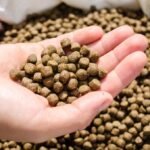
The conditioned material enters the pellet mill, where high pressure forces it through a ring die. Cylindrical pellets are formed and cut to the required length before being discharged.
Fresh pellets are still warm and contain relatively high moisture. They are transferred to a cooler where temperature and moisture are reduced to suitable storage levels.
Finally, the pellets pass through a screening system to remove fines before automatic weighing and packaging.
Choosing the Right Production Capacity
Horse feed manufacturers vary greatly in size.
A local feed supplier serving nearby farms may require only one or two tons of production per hour.
Regional commercial feed companies often choose equipment capable of producing five to ten tons per hour.
Large industrial feed mills supplying multiple provinces or export markets may require even higher capacities.
For businesses planning continuous commercial production, selecting a biomass hay pellet machine for sale with a robust ring die structure and efficient transmission system can significantly improve production stability while reducing maintenance costs.
Production capacity should always match market demand rather than simply purchasing the largest available equipment.
Automation Makes Feed Production Easier
Modern feed factories are becoming increasingly automated.
Instead of manually controlling each machine, operators can manage the entire production line from a central control room.
Automatic systems regulate:
- Feeding speed
- Steam addition
- Mixing time
- Pellet mill load
- Cooling temperature
- Packaging weight
Sensors continuously monitor operating conditions and automatically adjust production parameters whenever necessary.
Automation reduces labor requirements while ensuring consistent product quality throughout every production shift.
It also provides valuable production data that managers can use to optimize efficiency and reduce operating costs.
Real Project Example
A family-owned equestrian feed company in southern Europe wanted to expand its business by supplying premium horse feed to riding clubs, breeding farms, and veterinary distributors.
The company selected a production line capable of processing approximately six tons of feed per hour.
Its primary raw material formula included:
- Alfalfa meal – 35%
- Oats – 20%
- Corn – 15%
- Wheat bran – 10%
- Soybean meal – 10%
- Beet pulp – 5%
- Vitamin and mineral premix – 5%
After commissioning, the company successfully increased production while maintaining consistent pellet quality. The new pellets generated less dust during transportation, improved feed intake, and received positive feedback from customers because horses consumed them more consistently than traditional mixed feed.
The automated production line also reduced labor costs by allowing fewer operators to manage daily production.
Equipment Selection Tips
When purchasing pellet equipment, buyers should evaluate several important factors.
The quality of the ring die directly influences pellet density and equipment life.
Rollers should be manufactured from wear-resistant materials capable of maintaining stable compression over long production periods.
The gearbox should provide smooth power transmission while minimizing vibration and noise.
Automatic lubrication systems can reduce maintenance requirements and extend component life.
Electrical control systems should be simple to operate while providing comprehensive monitoring functions.
A reliable supplier should also provide installation guidance, operator training, technical support, and spare parts services after delivery.
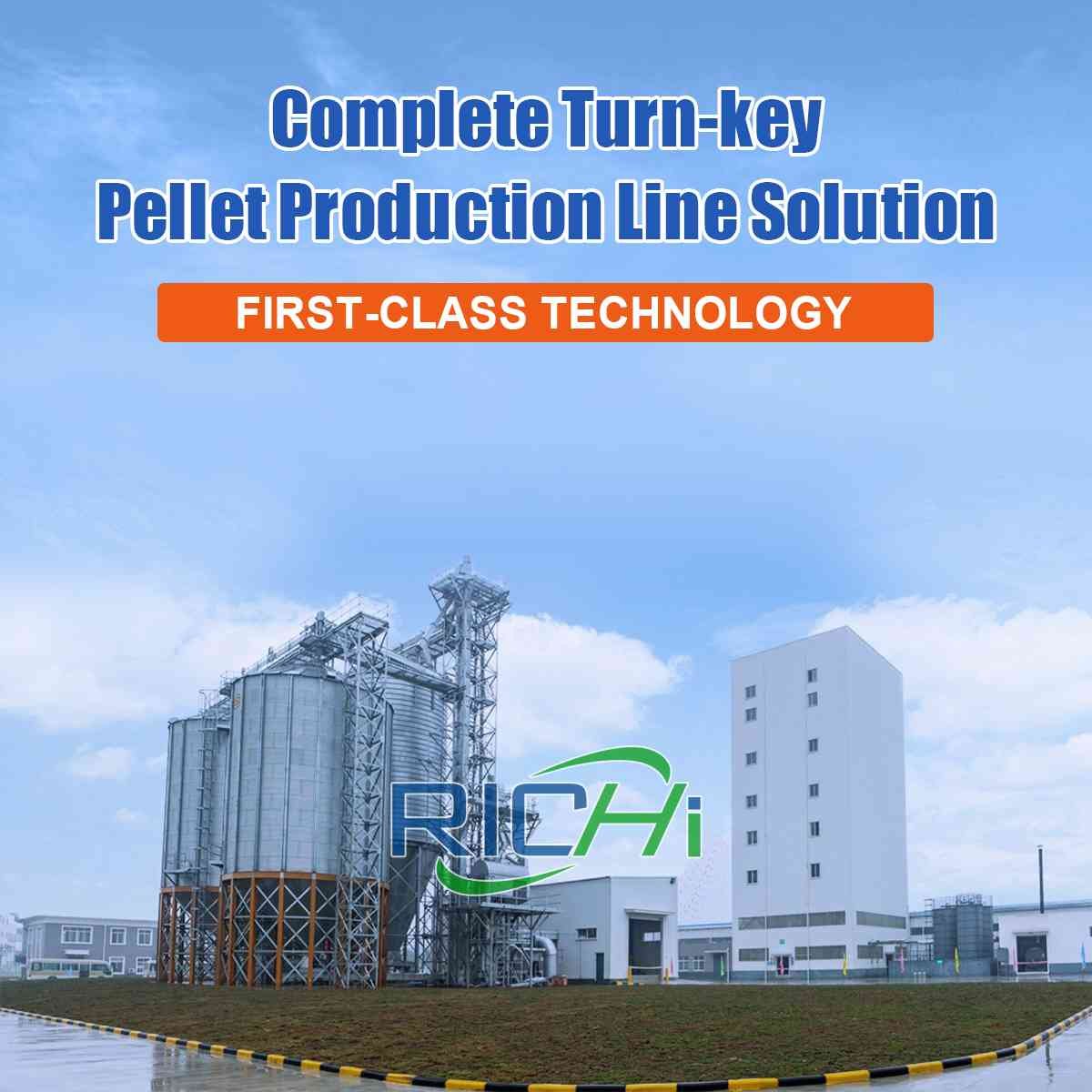
Many international customers therefore prefer working with experienced manufacturers that can provide complete engineering solutions instead of only selling individual machines.
Looking Ahead
As horse breeding continues to expand worldwide, demand for premium-quality feed will also continue growing. Feed manufacturers are increasingly focusing on nutritional precision, production efficiency, and environmental sustainability.
Advanced processing equipment allows producers to manufacture safer, cleaner, and more consistent feed while reducing waste and lowering operating costs.
Complete production solutions offered by pellet press technology continue supporting this transformation by combining intelligent automation with efficient pelletizing performance.
For companies planning future investments, industry reports and technical blog here resources provide valuable information about feed processing technologies, market trends, and successful production projects around the world.
Modern horse feed production is no longer simply about compressing ingredients into pellets. It is about delivering balanced nutrition, improving manufacturing efficiency, and building a sustainable business capable of meeting the growing expectations of today’s equine industry.
Related Post:https://pelletizerequipment.com/hemp-pellet-machine/