
Cat litter is an essential product for modern pet owners, and the global demand for convenient, hygienic, and high-performance litter continues to grow. As more households keep cats as pets, manufacturers are looking for efficient ways to produce cat litter with strong absorbency, good odor control, low dust, and consistent particle size.
Although cat litter may appear to be a simple product, commercial production involves several important processes. The raw material must be selected according to the desired litter type, processed to achieve suitable particle characteristics, dried when necessary, shaped into granules or pellets, screened, treated, and packaged.
A properly designed cat litter production line can integrate these processes into an efficient and continuous manufacturing system. Depending on the raw materials and final product, a production line may include crushing, grinding, mixing, granulation or pelleting, drying, cooling, screening, coating, and packaging equipment.
This article explains how to produce cat litter step by step, from raw material selection to finished product packaging, while highlighting the key factors that influence cat litter quality.
1. What Is Cat Litter?
Cat litter is a granular material used in litter boxes to absorb urine, control odors, and provide cats with a comfortable surface for natural elimination behavior.
Different cat litter products are manufactured from different raw materials.
Common types include:
- Bentonite cat litter
- Tofu cat litter
- Wood pellet cat litter
- Pine cat litter
- Corn cat litter
- Cassava cat litter
- Grass cat litter
- Paper-based cat litter
- Silica gel cat litter
Each type has different physical and chemical properties.
For example, bentonite is valued for its clumping ability, while tofu and corn litter are popular among manufacturers seeking plant-based alternatives. Wood pellets can provide good absorption and are often associated with renewable biomass resources.
Therefore, the production process must be designed around the specific type of cat litter being manufactured.
2. Determine the Target Cat Litter Product
The first step is deciding what kind of cat litter you want to produce.
Before purchasing equipment, manufacturers should determine:
- Raw material
- Litter type
- Particle size
- Pellet shape
- Absorption requirements
- Clumping performance
- Odor-control requirements
- Dust level
- Packaging size
- Target market
For example, a manufacturer producing tofu cat litter may require a different process from a company producing wood pellet litter.
The equipment configuration should therefore be based on the final product rather than simply copying another production line.
3. Select Suitable Raw Materials
Raw materials are the foundation of cat litter quality.
Common materials include:
Bentonite
Bentonite clay is widely used for clumping cat litter because it can absorb liquid and form clumps.
Soybean Residue
Soybean residue, often used for tofu-style cat litter, can be processed into lightweight pellets.
Corn
Corn fiber and other corn-processing materials can be used to produce plant-based litter.
Cassava
Cassava-based materials can provide biodegradable feedstock for certain cat litter products.
Wood and Sawdust
Wood fiber and sawdust can be processed into absorbent pellets.
Grass Fiber
Certain grass-based materials can be processed into plant-based litter.
The raw material should be clean, suitable for the intended product, and free from harmful contamination.
4. Analyze the Raw Material
Before production, the raw material should be evaluated.
Important parameters may include:
- Moisture
- Particle size
- Fiber content
- Density
- Absorption characteristics
- Purity
- Contamination
For plant-based materials, moisture is particularly important because excessive moisture can interfere with grinding, pelletizing, drying, and storage.
For clay-based litter, mineral composition and moisture can influence clumping and absorption performance.
Raw material analysis helps manufacturers determine the correct production process.
5. Clean the Raw Materials
The raw materials should be cleaned before further processing.
A cleaning system can remove:
- Stones
- Soil
- Metal
- Foreign materials
- Oversized contaminants
Cleaning protects downstream equipment and improves finished product quality.
Magnetic separators can also be used to remove ferrous metal particles from suitable raw material streams.
For commercial cat litter manufacturing, raw material cleanliness is especially important because the final product is used directly in homes and around pets.
6. Crushing and Grinding
After cleaning, the raw material may need to be crushed or ground.
Grinding reduces large materials into smaller particles and improves consistency.
For plant-based cat litter, materials such as:
- Soybean residue
- Corn fiber
- Grass
- Sawdust
- Wood chips
may need to be processed before granulation.
A hammer mill or other suitable grinder can reduce the particle size.
The correct particle size depends on the desired final product.
7. Why Particle Size Matters
Particle size affects several cat litter characteristics.
It can influence:
- Absorption
- Pellet density
- Clumping
- Dust
- Granulation
- Drying efficiency
- Final appearance
If particles are too large, they may not form consistent pellets.
If the material is ground excessively fine, energy consumption can increase and dust may become a problem.
Therefore, grinding should be optimized according to the specific formula.
8. Mixing Different Raw Materials
Some cat litter products contain multiple raw materials.
For example, a plant-based litter formula may combine:
- Fiber material
- Binder
- Absorbent material
- Odor-control ingredients
- Other functional additives
A mixer ensures that the ingredients are distributed uniformly.
Uniform mixing is essential because each batch should have consistent performance.
A commercial cat litter production line can use a horizontal or vertical mixer depending on the characteristics of the raw materials.
9. Add Binders When Necessary
Some materials naturally form pellets more easily than others.
Plant fibers may require a binder or other formulation adjustment to improve pellet formation.
Depending on the product, manufacturers may use suitable natural or commercial binders.
The binder can help improve:
- Pellet strength
- Shape retention
- Durability
- Water absorption behavior
However, excessive binder can change the absorption characteristics of the litter.
The formulation should therefore be tested before commercial production.
10. Granulation or Pelletizing
The shaping process is one of the most important stages in cat litter production.
Depending on the product, the material can be processed using:
- Pellet mills
- Granulators
- Disc granulators
- Specialized shaping equipment
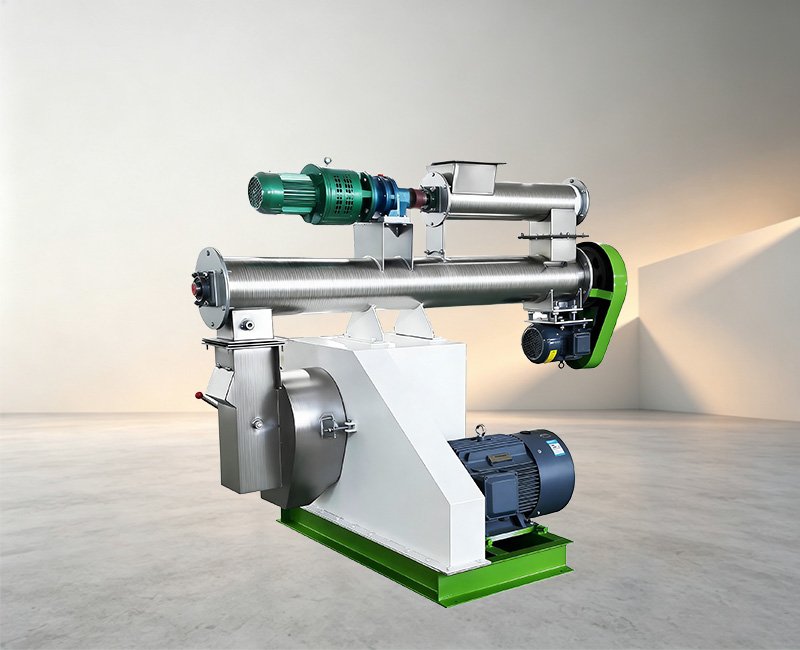
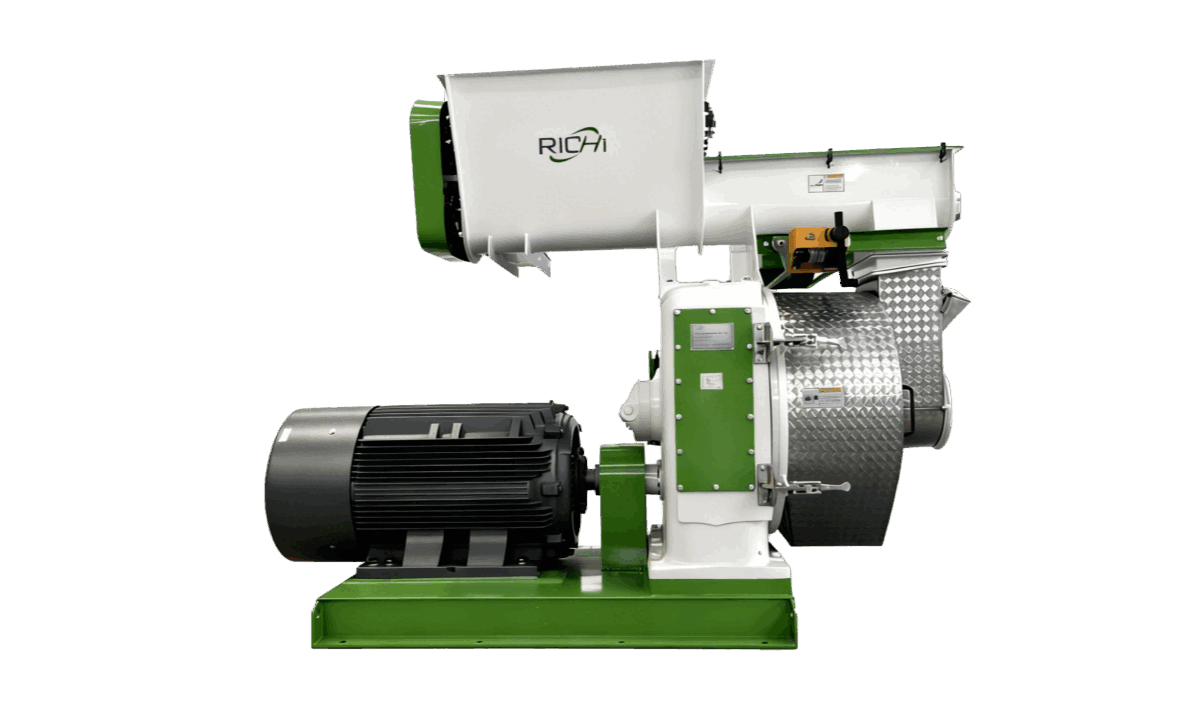
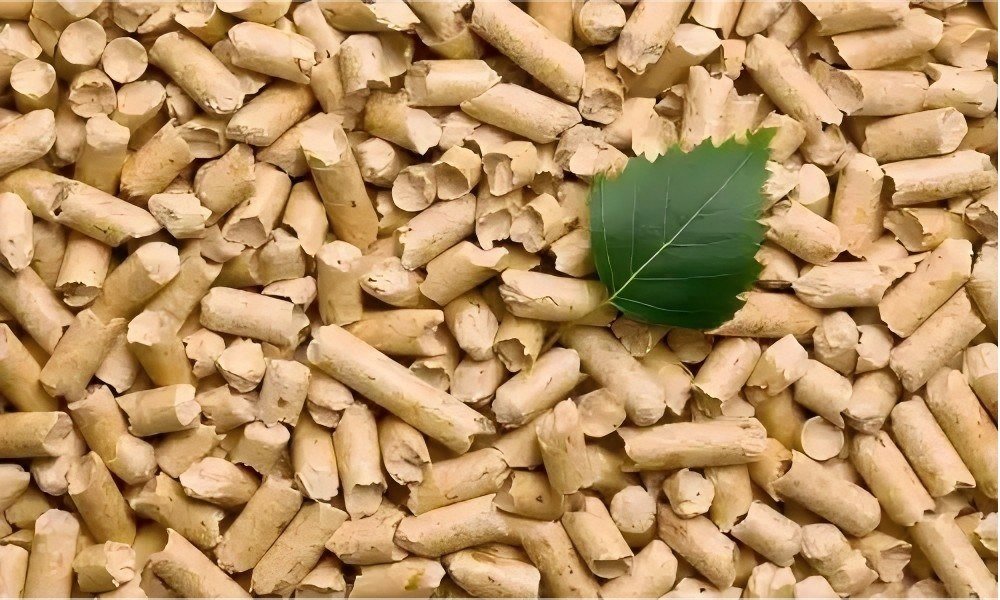
For pellet-type cat litter, a pellet mill compresses the prepared material through die holes.
The resulting pellets are then cut to the desired length.
The size and shape of the die determine the basic dimensions of the product.
https://pelletisingmachine.com/cat-litter-pellet-machine
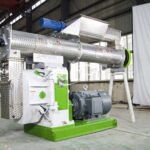
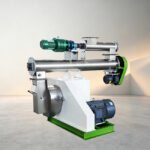
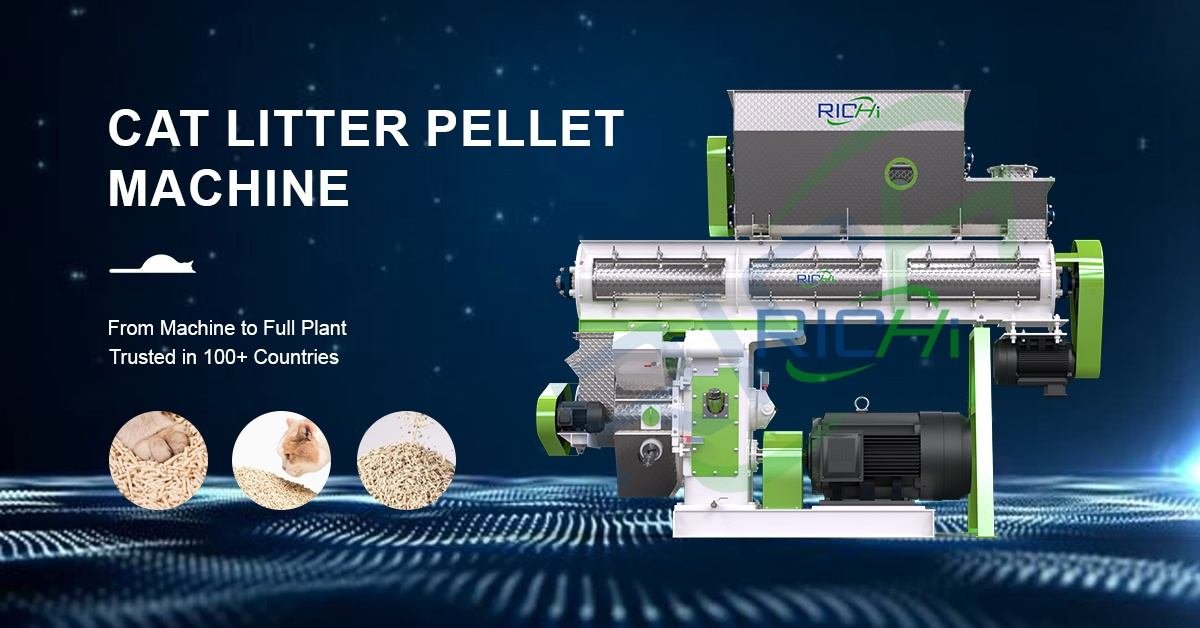
11. Choosing the Right Cat Litter Pellet Machine
The pelletizing equipment should be selected according to:
- Raw material
- Production capacity
- Pellet diameter
- Moisture
- Required density
- Product shape
- Automation requirements
For plant-based cat litter, a biomass or feed-style pellet mill may be adapted depending on the material characteristics and final product specifications.
However, the equipment must be configured specifically for cat litter production.
A commercial manufacturer should evaluate the pellet mill based on actual production tests rather than relying solely on theoretical capacity.
12. Controlling Pellet Density
Density is an important factor in cat litter quality.
If pellets are too dense, they may absorb liquid more slowly.
If they are too loose, they may break easily and generate excessive fines.
Density can be influenced by:
- Raw material
- Particle size
- Moisture
- Binder
- Die compression
- Pellet mill settings
Different cat litter products require different density characteristics.
Therefore, production parameters should be adjusted through testing.
13. Drying the Cat Litter
Freshly formed pellets may contain too much moisture for storage.
A dryer can reduce the moisture content to a suitable level.
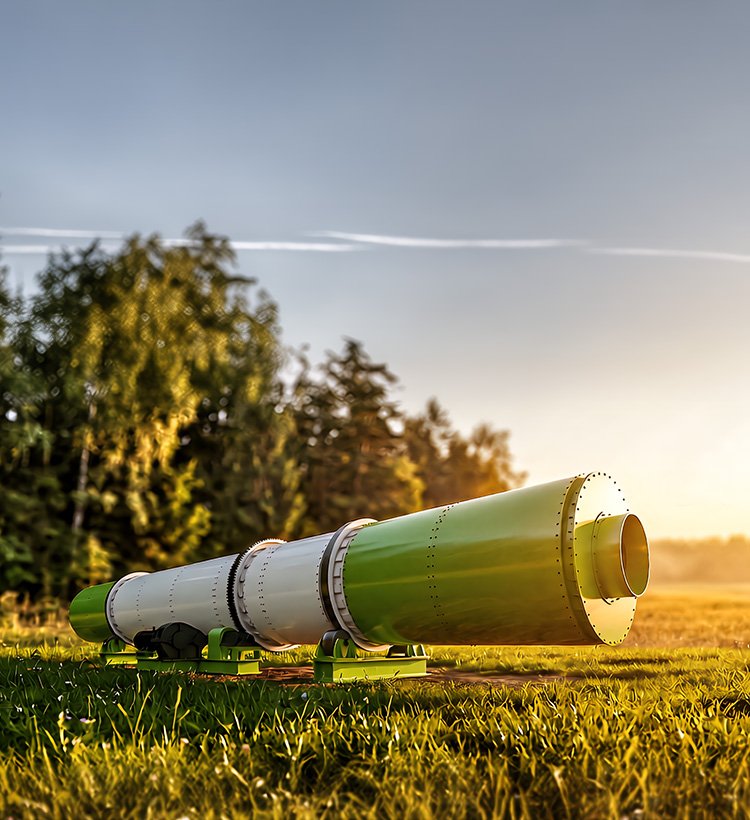
Rotary dryers are commonly used for many industrial pellet products.
The drying process removes moisture through controlled heat and airflow.
Proper drying helps:
- Improve storage stability
- Reduce mold risk
- Increase pellet strength
- Improve shelf life
- Prepare the product for packaging
However, excessive drying can damage some plant-based materials or create unnecessary energy consumption.
The drying temperature and residence time should therefore be optimized according to the raw material.
14. Cooling the Finished Pellets
After drying, the cat litter pellets may still be hot.
Cooling is necessary before screening and packaging.
A cooler can reduce:
- Product temperature
- Residual moisture
- Condensation risk
Cooling also makes the product safer to handle and easier to package.
Commercial plants can use mechanical cooling systems for continuous production.
15. Screening the Cat Litter
After cooling, the product should be screened.
Screening separates:
- Properly sized litter
- Fine powder
- Broken pellets
- Oversized particles
The correctly sized product proceeds to packaging.
Fines and undersized material may sometimes be recycled into the production process.
Screening is important because consumers generally expect cat litter to have a consistent particle size.
16. Dust Control
Low dust is an important selling point for many cat litter products.
Excessive dust can:
- Reduce product quality
- Create unpleasant handling conditions
- Increase material losses
- Affect consumer acceptance
Dust can be controlled through:
- Proper grinding
- Optimized pellet formation
- Screening
- Cooling
- Dust collection equipment
- Appropriate packaging
A cyclone or baghouse dust collector can be integrated into a commercial production system where necessary.
17. Odor Control
Odor control is another important function of cat litter.
Different products use different approaches.
These can include:
- Highly absorbent materials
- Activated carbon
- Natural odor-control ingredients
- Mineral additives
- Suitable fragrances
The choice depends on the target market.
If additives are used, they should be appropriate for pet products and incorporated at controlled levels.
18. Producing Clumping Cat Litter
Clumping performance is particularly important for bentonite and some plant-based cat litters.
A good clumping litter should form a relatively stable mass when exposed to urine.
The clump should be easy to remove without causing excessive breakdown.
Clumping performance depends on:
- Raw material properties
- Particle size
- Moisture
- Binder
- Granulation process
- Final density
Manufacturers should test the product under realistic conditions before commercialization.
19. Producing Tofu Cat Litter
Tofu cat litter is a plant-based product commonly associated with soybean residue.
A general production process may include:
Soybean Residue → Drying → Grinding → Mixing → Granulation → Drying → Cooling → Screening → Packaging
The exact process depends on the moisture and physical characteristics of the soybean residue.
A suitable binder or functional additive may be included when necessary.
The final product can be produced in different pellet sizes and shapes according to market demand.
20. Producing Wood Pellet Cat Litter
Wood-based cat litter can use suitable sawdust, wood fiber, or other clean biomass materials.
A general process may include:
Wood Raw Material → Crushing → Drying → Pelletizing → Cooling → Screening → Packaging
The production process is similar to biomass pellet production, but the final product specifications are different.
The raw material should be clean and suitable for pet applications.
Chemical contamination should be carefully avoided.
21. Producing Corn Cat Litter
Corn-based cat litter can use suitable corn fiber or agricultural by-products.
The production process may involve:
Corn Material → Cleaning → Grinding → Mixing → Pelletizing → Drying → Cooling → Screening → Packaging
The material needs to be processed to achieve suitable absorption and pellet durability.
Corn-based litter can appeal to consumers looking for plant-based alternatives.
22. Producing Bentonite Cat Litter
Bentonite cat litter follows a somewhat different process from plant-based litter.
A general process may include:
Bentonite Mining → Crushing → Grinding → Granulation → Drying → Screening → Dust Removal → Packaging
Bentonite’s natural swelling and clumping properties make it suitable for clumping cat litter.
The processing system should be designed around the mineral characteristics of the raw material.
23. Cat Litter Pellet Size
Pellet size affects both cat acceptance and product performance.
Common product specifications can vary depending on:
- Cat size
- Product type
- Absorption
- Clumping performance
- Consumer preference
Smaller particles may provide a more sand-like texture.
Larger pellets can reduce tracking in certain applications.
There is no single ideal size for every product.
Manufacturers should determine the appropriate particle size through product testing and market research.
24. Packaging Cat Litter
Once the finished litter passes quality control, it can be packaged.
Common packaging sizes include:
- Small retail bags
- Medium bags
- Large bags
- Bulk packaging
Packaging should protect the product from moisture and contamination.
Automatic weighing and bagging machines can improve efficiency in commercial plants.
Printed packaging can also communicate:
- Product type
- Weight
- Absorption characteristics
- Clumping ability
- Odor-control features
- Usage instructions
25. Storage of Finished Cat Litter
Cat litter should be stored in a clean and dry warehouse.
The warehouse should protect the product from:
- Rain
- High humidity
- Direct water contact
- Pests
- Contamination
Plant-based litter is particularly sensitive to moisture.
Moisture can cause pellets to soften, break, or develop mold.
Proper packaging and warehouse management are therefore essential.
26. Quality Control During Production
A professional cat litter manufacturer should establish quality-control procedures at every stage.
Raw Material Quality
Check moisture, purity, and contamination.
Grinding Quality
Monitor particle size.
Mixing Quality
Ensure uniform distribution.
Pellet Quality
Check shape, size, density, and durability.
Drying Quality
Monitor moisture content.
Screening Quality
Control the percentage of fines.
Finished Product Quality
Test absorption, odor control, dust, clumping, and storage stability.
Quality control helps manufacturers maintain consistent product performance.
27. How to Improve Cat Litter Absorption
Absorption is one of the most important product characteristics.
It can be influenced by:
- Raw material
- Particle structure
- Density
- Moisture
- Granulation
- Drying
For plant-based products, selecting highly absorbent fiber materials can improve performance.
For mineral products, the mineral composition and processing conditions can strongly influence liquid absorption.
The final product should be tested using standardized methods appropriate to the product type.
28. How to Reduce Cat Litter Dust
Reducing dust requires control of the entire production process.
Important measures include:
- Avoid excessive grinding.
- Optimize pellet strength.
- Use efficient screening.
- Remove fines.
- Install dust collection equipment.
- Handle finished products carefully.
- Use appropriate packaging.
Excessive mechanical handling can break pellets and create additional fines.
Therefore, conveyors and transfer points should be designed carefully.
29. How to Improve Production Efficiency
A well-designed production system should balance every processing stage.
For example, if the pellet mill produces more material than the dryer can process, the dryer becomes a bottleneck.
Similarly, insufficient screening capacity can reduce overall production efficiency.
Therefore, the capacities of:
Grinding → Mixing → Granulation → Drying → Cooling → Screening → Packaging
should be coordinated.
Automation can further improve production efficiency by reducing manual operations and maintaining consistent processing conditions.
30. Small-Scale Cat Litter Production
Small manufacturers may begin with a relatively simple system.
A compact plant could include:
- Crusher
- Grinder
- Mixer
- Pellet mill
- Dryer
- Cooler
- Screener
- Packing machine
Some processes can be manually operated at lower production capacities.
This approach can reduce initial investment while allowing the manufacturer to enter the market.
As demand increases, additional automation can be added.
31. Large-Scale Cat Litter Production
A large commercial factory may require:
- Raw material receiving system
- Cleaning system
- Crusher
- Hammer mill
- Batching system
- Mixer
- Pellet mill or granulator
- Dryer
- Cooler
- Screening machine
- Dust collection system
- Coating system
- Automatic packing machine
- PLC control system
A fully integrated cat litter production line can improve material flow, reduce labor requirements, and support continuous production.
32. Choosing Equipment for a Cat Litter Production Line
Equipment selection should consider:
Raw Material
Is it wood, soybean residue, corn, grass, cassava, or bentonite?
Capacity
How many tons per hour are required?
Pellet Size
What particle diameter is needed?
Moisture
How much drying capacity is required?
Product Type
Is it clumping, non-clumping, plant-based, mineral, or wood-based litter?
Automation
How much production should be automated?
Factory Layout
What space is available?
Future Expansion
Will the plant increase production later?
A customized equipment configuration is usually more practical than using an identical system for every raw material.
(Learn about RICHI cat litter machine)
33. RICHI Cat Litter Production Solutions
RICHI Manufacture provides customized equipment and turnkey engineering solutions for cat litter manufacturing.
Depending on the raw material and product type, a complete cat litter production line can integrate:
Raw Material Cleaning → Crushing → Grinding → Mixing → Pelletizing/Granulation → Drying → Cooling → Screening → Coating → Packaging
The equipment configuration can be customized according to:
- Raw materials
- Production capacity
- Pellet size
- Moisture content
- Product type
- Factory layout
- Automation requirements
- Investment budget
For plant-based cat litter, RICHI can configure suitable crushing, grinding, mixing, pelletizing, drying, cooling, screening, and packaging equipment.
For large commercial projects, automated material handling and PLC control systems can be integrated into the complete production system.
RICHI’s turnkey service can cover customized production line design, equipment manufacturing, overseas transportation and customs clearance, on-site installation and commissioning, operator training, spare parts supply, and long-term technical support.
34. Step-by-Step Cat Litter Production Process
For a simple overview, the complete process can be summarized as follows:
Step 1: Select the Cat Litter Type
Determine whether the product will be bentonite, tofu, wood, corn, grass, cassava, or another type.
Step 2: Select Suitable Raw Materials
Choose clean and appropriate raw materials.
Step 3: Test the Materials
Check moisture, purity, particle size, and absorption characteristics.
Step 4: Clean the Raw Materials
Remove foreign materials.
Step 5: Crush and Grind
Reduce the material to the appropriate particle size.
Step 6: Mix the Formula
Combine different ingredients and additives uniformly.
Step 7: Add Binder if Necessary
Improve pellet formation when required.
Step 8: Pelletize or Granulate
Produce pellets or granules with the desired dimensions.
Step 9: Dry
Reduce moisture to a suitable level.
Step 10: Cool
Lower the product temperature and stabilize the pellets.
Step 11: Screen
Separate fines and oversized material.
Step 12: Add Coating or Odor-Control Ingredients
Apply suitable treatments if required by the product formula.
Step 13: Test the Finished Product
Check absorption, dust, density, durability, clumping, and other characteristics.
Step 14: Package
Pack the finished litter into suitable bags.
Step 15: Store
Keep the product dry and protected from contamination.
Conclusion
Learning how to produce cat litter step by step requires an understanding of both the raw materials and the physical characteristics of the finished product. Cat litter is not a single standardized product. Bentonite, tofu, wood, corn, cassava, grass, and other types require different formulas and processing methods.
The general production process may include raw material cleaning, crushing, grinding, mixing, granulation or pelletizing, drying, cooling, screening, coating, and packaging. Each stage can influence the final litter’s absorption, dust level, clumping performance, durability, particle size, and storage stability.
For plant-based cat litter, controlling moisture and pellet density is particularly important. For bentonite litter, mineral properties and granulation conditions play a major role in clumping and absorption. Regardless of product type, consistent raw material quality and effective quality control are essential.
A professionally designed cat litter production line can connect these processes into an integrated manufacturing system. Small manufacturers can start with a compact configuration, while larger factories can adopt automated grinding, mixing, pelletizing, drying, cooling, screening, coating, and packaging systems.
The most important principle is to design the production process around the specific cat litter product, raw material characteristics, target capacity, and desired performance. With suitable equipment and optimized processing conditions, manufacturers can produce consistent cat litter with good absorption, controlled dust, appropriate particle size, reliable durability, and strong market competitiveness.