
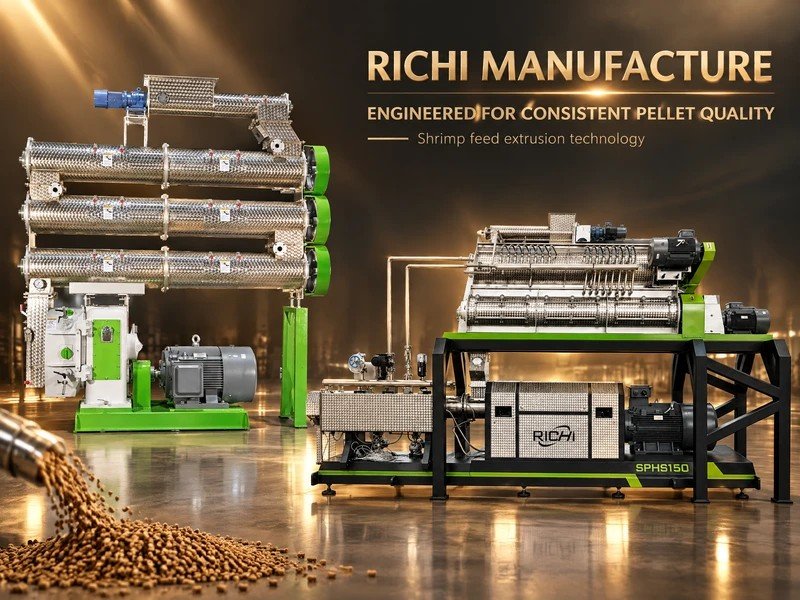
The selection of a shrimp feed pellet machine manufacturer can have a long-term effect on a feed production project. Equipment is expected to operate for years, and its performance depends not only on the basic machine design but also on manufacturing quality, process configuration, installation, maintenance, and technical support.
For investors entering the aquaculture feed industry, evaluating the manufacturer should therefore be part of the technical planning process.
Start With Manufacturing Capability
A manufacturer should understand how the equipment is made as well as how it is used. Manufacturing experience can influence the quality of major components, machining accuracy, assembly, surface treatment, electrical integration, and final testing.
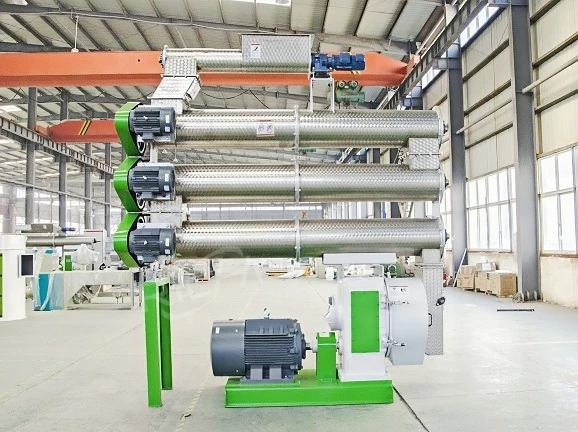
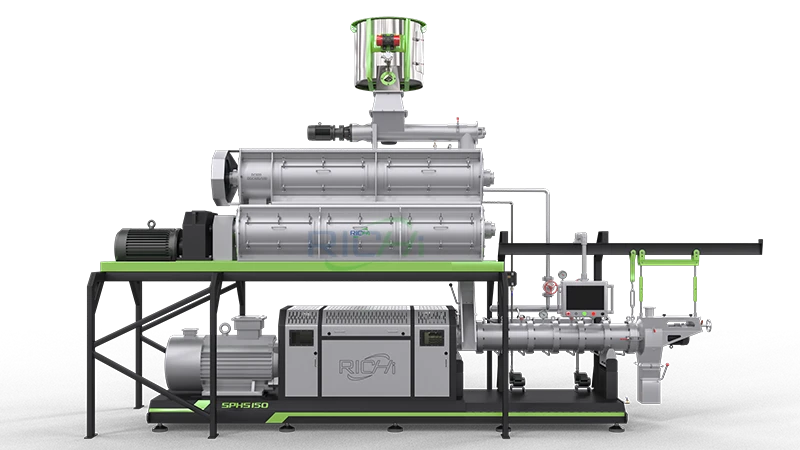
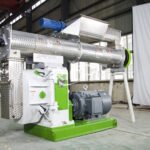
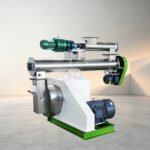
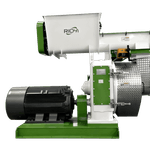
For a feed pellet mill, components such as the ring die, rollers, drive system, feeder, cutter, conditioner, and safety devices all contribute to the machine’s operation. These components must work together under continuous production conditions.
A supplier that understands these relationships can better adapt equipment to the customer’s intended application.
Engineering Is More Than Equipment Supply
A feed project normally contains many connected processes. Raw materials need to be received and stored, prepared through grinding and batching, mixed, conditioned, formed, cooled, screened, and packaged.
This means a fish feed mill plant manufacturer may need to work from the entire process rather than simply quote a pellet mill. The location and function of each piece of equipment can affect material flow, maintenance access, energy use, and future expansion.
Ask About Product Requirements
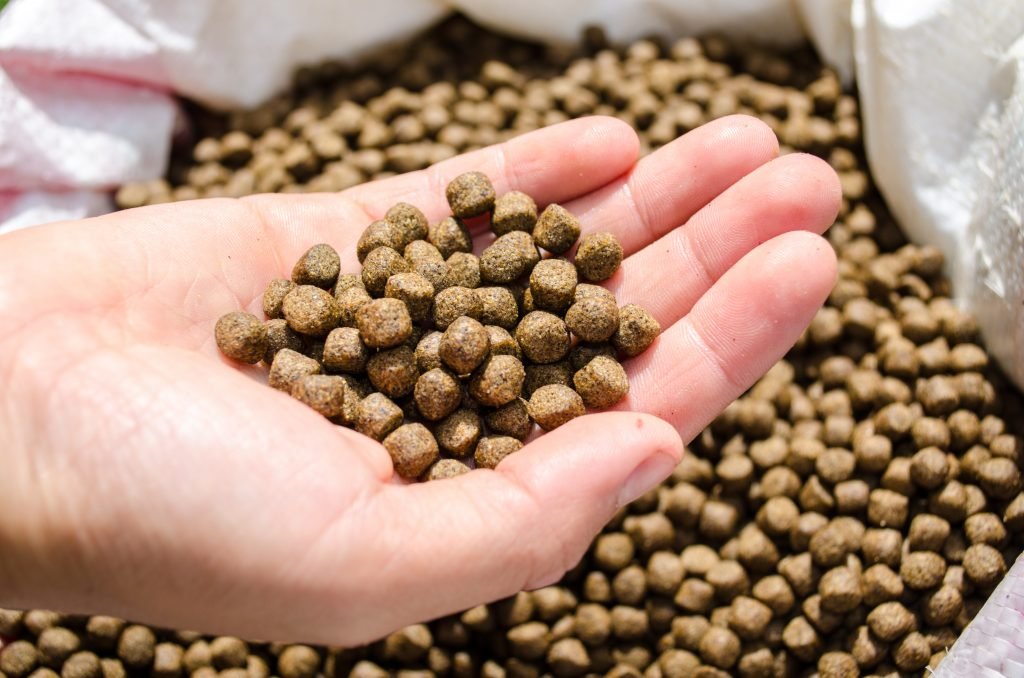
Shrimp feed creates additional technical considerations. Small pellet diameters, sinking behavior, water stability, and formula characteristics all need to be considered during design.
The manufacturer should understand the target product before recommending equipment. A line designed for one feed type may not automatically be optimal for another.
This is also why discussions about capacity should include product specifications. A rated machine capacity is useful information, but it should be considered together with the actual formula and operating conditions.
Technical Support After Delivery
Installation is another area where manufacturer support can make a difference. Equipment needs to be positioned, connected, commissioned, and tested correctly. Operators may also require training in startup, shutdown, routine inspection, adjustment, and maintenance.
A long-term support system can help customers address wear-part replacement, process adjustments, and future expansion.
Research Before Buying
click to find out more about the manufacturer’s factory, engineering capabilities, project experience, and technical service before making a final decision. Product brochures can provide useful specifications, but a deeper discussion often reveals whether the supplier can handle the complete project.
Customers can also ask for information about similar applications. A manufacturer with experience in shrimp feed may be able to explain how fine grinding, conditioning, pelleting, cooling, and screening are configured for small aquatic feed pellets.
Integration With Other Equipment
The pellet mill should not be evaluated separately from its supporting equipment. The grinder must provide suitable particle size, the mixer must achieve adequate uniformity, and the conditioning system must prepare the material properly.
After pelleting, the cooler and screen must handle the output without creating unnecessary bottlenecks. Conveyors and elevators then connect the different stages, while the packaging system prepares the finished product for storage or distribution.
Building a Long-Term Production System
The best equipment decision is ultimately connected to the business plan. A company serving local shrimp farms may need a moderate-capacity line with room for expansion. A commercial feed producer may need multiple product capabilities and a higher degree of automation.
The pellet machine is central to the process, but its value depends on how well it fits the complete production system.
A manufacturer should therefore be evaluated through several dimensions: equipment quality, process knowledge, customization capability, engineering support, installation assistance, training, spare-parts service, and experience with international projects.
When these factors are considered together, the equipment supplier becomes more than a machine vendor. It becomes a technical partner in developing a reliable shrimp feed production operation.
View Details: https://www.richimanufacture.com/shrimp-feed-pellet-machine/