


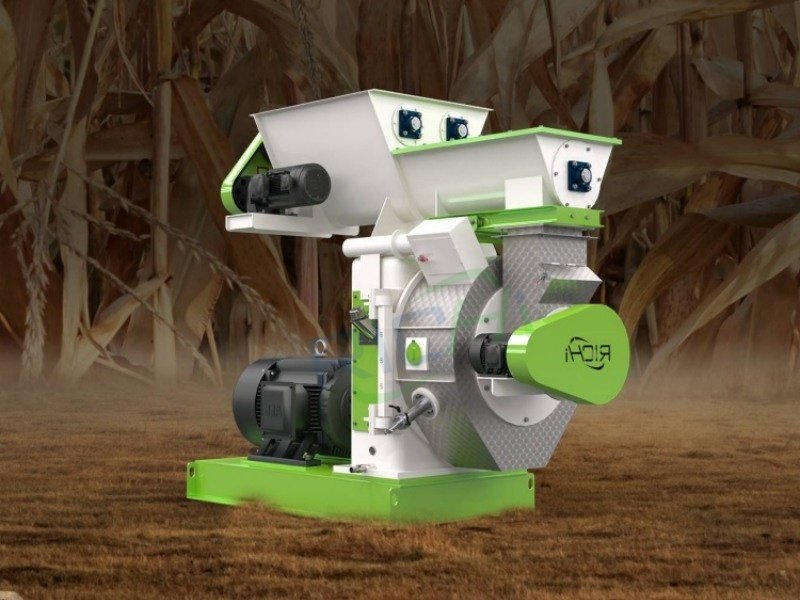
As renewable energy demand continues to grow worldwide, agricultural waste is becoming an increasingly important resource for biomass fuel production. Materials such as wheat straw, rice straw, corn stalks, and barley straw are now widely used to produce clean biomass pellets for industrial heating and power generation. This trend has significantly increased market demand for the straw pellet machine for sale among agricultural companies, biomass fuel producers, and renewable energy investors.
Biomass straw pellets provide an environmentally friendly alternative to fossil fuels. Compared with loose crop residues, pelletized biomass is easier to transport, store, and burn efficiently. With rising energy costs and stricter environmental regulations, more businesses are investing in modern pelletizing technology to turn agricultural waste into profitable fuel products.
Why Straw Biomass Fuel Is Growing Rapidly
Every harvest season generates huge quantities of agricultural straw. In many regions, open-field burning of crop residues causes serious environmental pollution and wastes valuable biomass resources. Pellet production technology offers an effective solution by converting straw waste into renewable fuel.
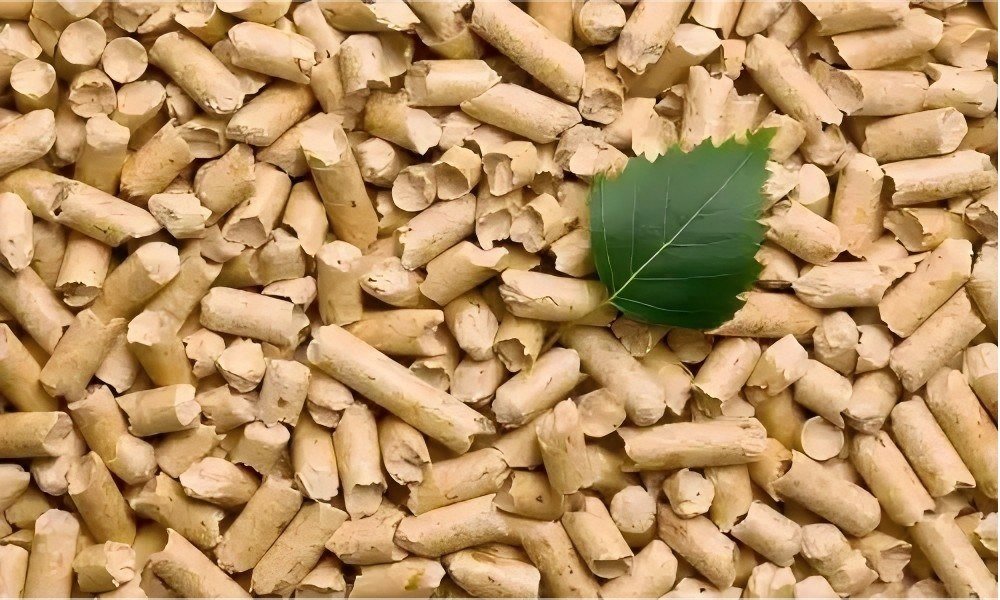
Pelletized straw has higher density than raw biomass materials, which reduces transportation and storage expenses. Pellets also provide more stable combustion performance and lower dust emissions during handling. These advantages make biomass pellets suitable for industrial boilers, commercial heating systems, and biomass power plants.
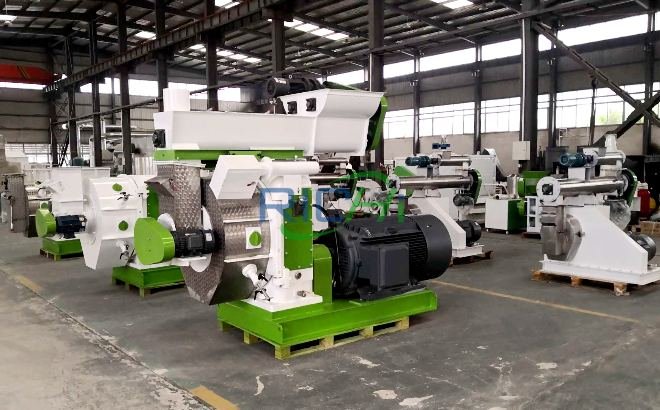
Because straw contains high fiber content and variable moisture levels, reliable processing equipment is essential for efficient production. A professional pellet mill helps ensure stable operation, consistent pellet quality, and improved production efficiency.
Main Equipment in a Straw Pellet Plant
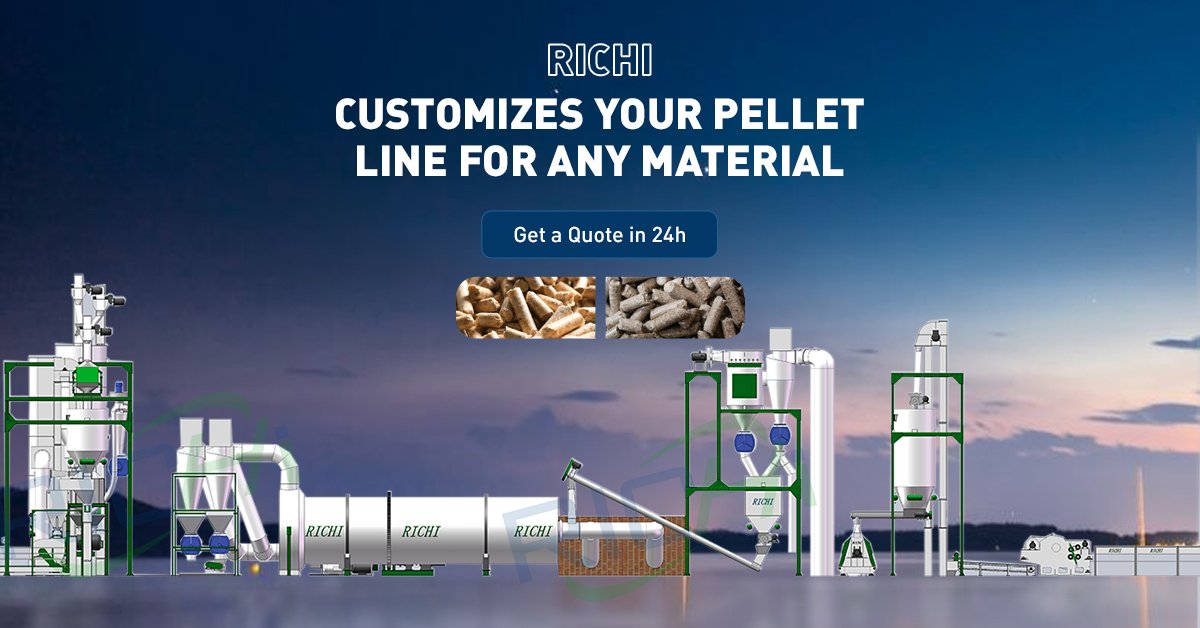
A complete straw pellet production system typically includes crushing equipment, drying systems, pellet mills, cooling machines, screening units, and packaging equipment.
The process begins with raw material collection and pretreatment. Since straw often contains large fibers and inconsistent moisture levels, crushing and drying are important preparation steps before pelletizing. Proper moisture control helps improve pellet density and reduce equipment wear.
The pelletizing stage compresses the processed material into dense cylindrical fuel pellets under high pressure. Afterward, cooling systems reduce pellet temperature before screening and packaging.
For medium-scale biomass fuel factories, many investors search for a 3-4 T/H straw pellet plant for sale because this production capacity offers a practical balance between commercial output and investment cost. This type of pellet plant is suitable for biomass fuel suppliers, agricultural cooperatives, and industrial energy projects.
Advantages of Modern Straw Pellet Machines
Modern pellet production technology focuses heavily on automation, durability, and energy efficiency. Intelligent control systems allow operators to monitor production conditions in real time, helping improve pellet consistency and reduce labor requirements.
Durability is especially important in straw pellet production because fibrous materials create high friction during compression. Advanced pellet machines use wear-resistant ring dies, reinforced rollers, and stable transmission systems to extend equipment lifespan.
Energy efficiency is another major advantage. Modern pellet plants are designed to reduce electricity consumption while maintaining stable output capacity. This helps biomass producers lower operating costs and improve long-term profitability.
How to Choose the Right Pellet Production Equipment
Selecting the right pellet production system depends on several factors, including raw material type, target production capacity, automation level, and factory layout.
Investors should also evaluate future expansion possibilities before purchasing equipment. Many businesses prefer modular pellet production systems that allow additional equipment upgrades as fuel demand increases.
Technical support and after-sales service are equally important when choosing machinery suppliers. Proper installation guidance and spare parts availability can significantly improve long-term production stability.
If you want to explore more biomass pellet production information and technical solutions, you can click to read additional project references and equipment details.
Future Development of Straw Pellet Fuel
The global biomass energy industry is expected to continue expanding as industries seek cleaner and more sustainable fuel alternatives. Agricultural waste recycling not only helps reduce pollution but also creates new revenue opportunities for farms and biomass processing businesses.
With advanced pelletizing technology and efficient production planning, straw pellet manufacturing offers strong long-term opportunities for renewable energy investors and biomass fuel suppliers worldwide.
(Related Post: https://www.richipelletmill.com/straw-pellet-mill/)