Introduction: The Importance of Feed in Modern Aquaculture
Aquaculture has become one of the fastest-growing food production industries in the world. As wild fish resources face increasing pressure and global demand for seafood continues to rise, fish farming, shrimp farming, and other aquatic farming activities are playing an increasingly important role in meeting nutritional needs.
However, successful aquaculture depends on more than simply raising aquatic animals. Factors such as water quality management, breeding technology, disease prevention, and feeding strategies all influence farming results. Among these factors, feed production is one of the most critical elements because feed directly affects animal growth, production costs, and farm profitability.
Aquatic animals require precise nutrition to achieve healthy growth. Unlike traditional livestock, fish and shrimp live in water environments, which creates unique requirements for feed structure, floating performance, digestibility, and stability. Poor-quality feed can lead to slow growth, increased waste, water pollution, and higher production expenses.
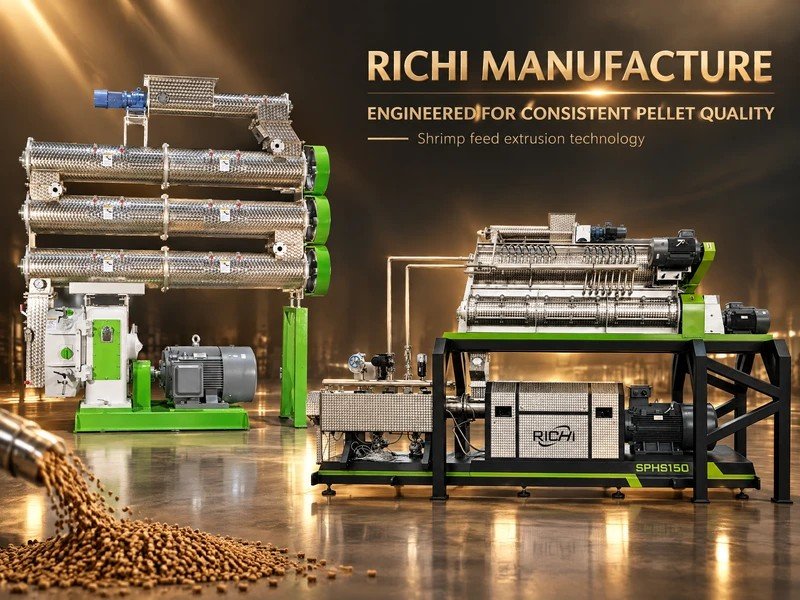
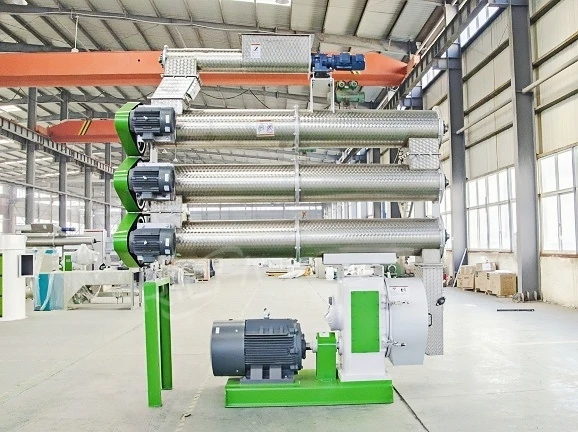
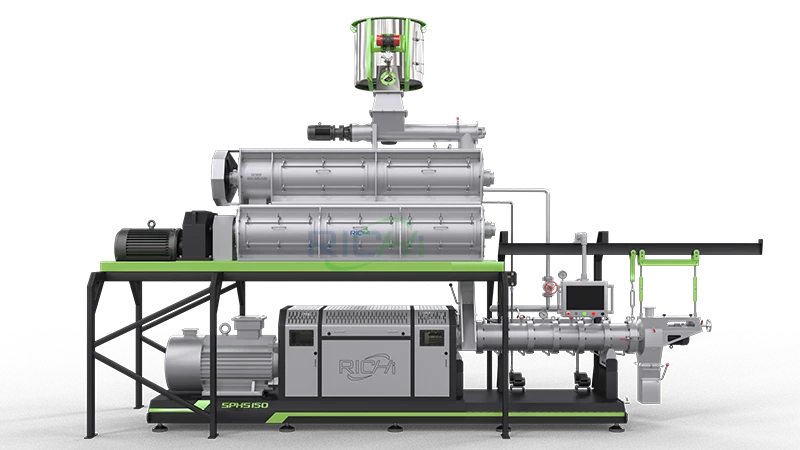
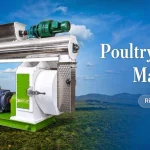
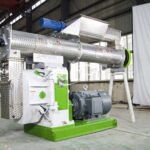
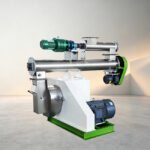
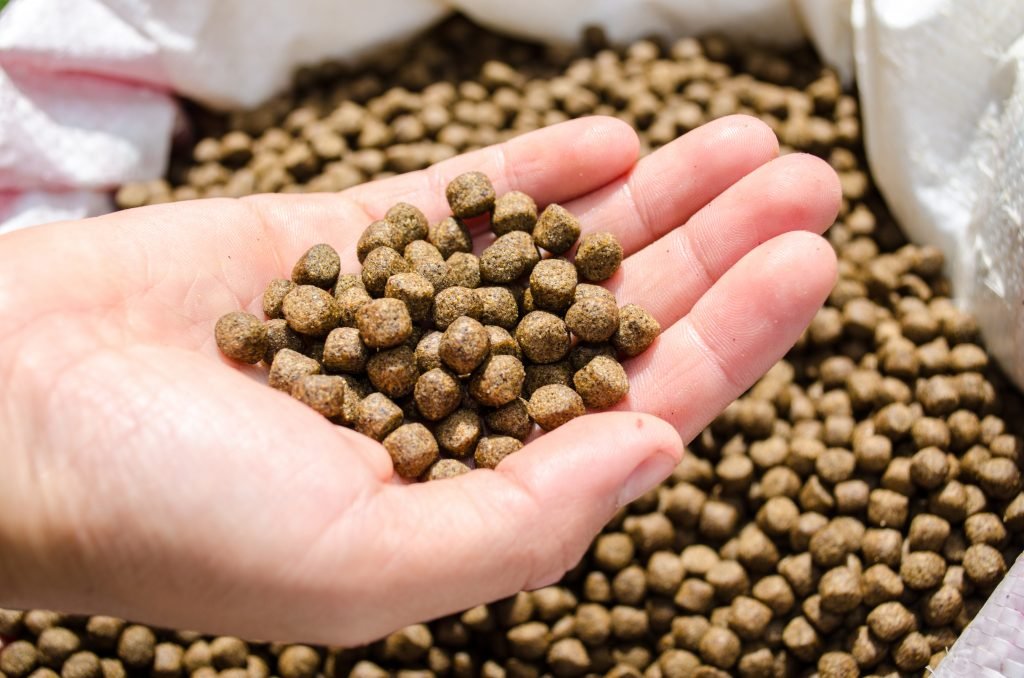
Modern aquatic feed production provides solutions by transforming carefully selected raw materials into high-quality pellets that meet the nutritional needs of different aquatic species. Advanced technologies, especially the use of an aquaculture feed extruder machine, allow manufacturers to produce floating and sinking feed with excellent digestibility, durability, and feeding efficiency.
Understanding why aquatic feed production matters helps aquaculture investors, feed manufacturers, and farmers improve productivity and build more sustainable farming systems.
1. Aquatic Feed Production Ensures Balanced Nutrition for Aquatic Animals
Nutrition is the foundation of successful aquaculture. Fish, shrimp, and other aquatic species require balanced amounts of protein, carbohydrates, fats, vitamins, minerals, and other nutrients to support growth and maintain health.
In natural environments, aquatic animals obtain nutrients from various organisms. However, intensive aquaculture systems cannot rely on natural food sources alone. Farmers need professionally formulated feed to provide sufficient nutrition throughout different growth stages.
Aquatic feed production allows manufacturers to create formulas based on the specific requirements of different species.
For example:
- Carnivorous fish require higher protein levels to support rapid growth.
- Herbivorous fish need more plant-based ingredients.
- Shrimp require feed with strong water stability and balanced amino acids.
- Juvenile fish need smaller pellets with higher nutrient density.
Professional feed production combines scientific formulas with advanced processing technology to ensure every pellet contains consistent nutrition.
This balanced feeding approach helps aquatic animals grow faster, improves survival rates, and reduces unnecessary feed consumption.
2. High-Quality Feed Improves Feed Conversion Efficiency
Feed is usually the largest operating cost in commercial aquaculture. Therefore, improving feed utilization is essential for increasing farm profitability.
Feed conversion ratio (FCR) measures how efficiently aquatic animals convert feed into body weight. A lower FCR indicates better feed efficiency.
Poor-quality feed often causes:
- Low nutrient absorption
- Excessive feed consumption
- Slow growth
- Increased farming costs
Aquatic feed production improves FCR by creating pellets with better digestibility and nutrient availability.
During modern feed processing, raw materials undergo grinding, mixing, conditioning, and extrusion. These processes improve the physical and nutritional characteristics of feed.
Extrusion technology, in particular, helps gelatinize starch ingredients, making them easier for aquatic animals to digest. As a result, more nutrients are absorbed instead of being lost in water.
For large-scale aquaculture operations, even a small improvement in feed conversion can create significant economic benefits because feed consumption can reach hundreds or thousands of tons annually.
3. Aquatic Feed Production Reduces Feed Waste and Water Pollution
One of the biggest challenges in aquaculture is maintaining water quality. Uneaten feed and excessive nutrient discharge can negatively affect the farming environment.
Traditional feed products may quickly break apart after entering water, causing:
- Nutrient loss
- Increased organic waste
- Poor water quality
- Higher disease risks
Modern aquatic feed production focuses on creating pellets with excellent water stability.
Floating feed is especially valuable because farmers can easily observe feeding activity and adjust feeding quantities. This prevents overfeeding and allows operators to remove unused feed when necessary.
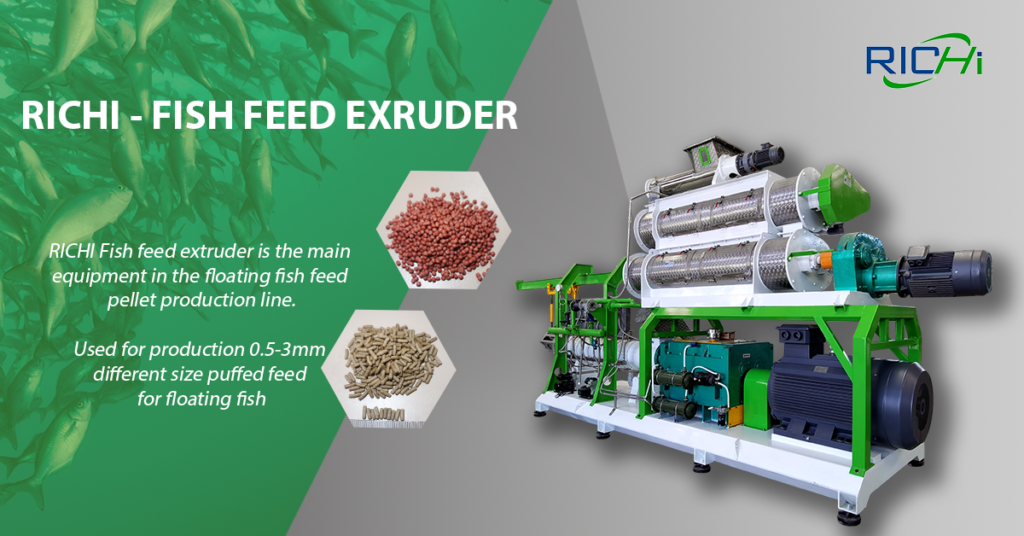
An aquaculture feed extruder machine plays an important role in producing floating pellets with controlled density and expansion characteristics.
Through extrusion processing, manufacturers can produce feed that:
- Floats for a longer time
- Maintains pellet shape
- Releases fewer nutrients into water
- Improves feeding management
By reducing feed waste, aquatic feed production supports cleaner farming environments and more sustainable aquaculture practices.
4. Extrusion Technology Improves Aquatic Feed Performance
Extrusion is one of the most important technologies in modern aquatic feed manufacturing.
Unlike traditional pelletizing methods, extrusion uses controlled temperature, pressure, and mechanical forces to transform feed mixtures into high-performance pellets.
During extrusion, several important changes occur:
- Starch becomes more digestible
- Feed structure becomes stronger
- Harmful microorganisms are reduced
- Pellet quality becomes more consistent
The aquaculture feed extruder machine is designed to control these processing conditions and produce feed suitable for different farming systems.
https://richipelletizer.com/floating-fish-feed-extruder-machine
Depending on production requirements, extrusion equipment can manufacture:
Floating Feed
Floating pellets remain on the water surface, making them ideal for species such as tilapia and other surface-feeding fish.
Sinking Feed
Sinking pellets are suitable for bottom-feeding species and certain aquaculture environments. (Learn more about sinking fish feed pellet making machine)
Slow-Sinking Feed
Slow-sinking pellets provide controlled feeding opportunities for specific species.
By adjusting formulas and extrusion parameters, manufacturers can produce feed with different sizes, densities, and textures.
5. Customized Feed Production Supports Different Aquaculture Species
Every aquatic species has unique feeding habits and nutritional requirements. A single feed formula cannot meet the needs of all species.
Aquatic feed production allows manufacturers to customize products according to:
- Species type
- Growth stage
- Farming environment
- Feeding behavior
- Market requirements
For example:
Fish Farming
Fish feed usually focuses on protein content, pellet size, and floating ability. Different fish species require different formulas and pellet characteristics.
Shrimp Farming
Shrimp feed requires excellent water stability because shrimp consume feed slowly compared with many fish species.
Specialty Aquaculture
High-value species often require customized diets with specific nutritional components.
Advanced feed production systems provide flexibility for manufacturers to respond to changing market demands and customer requirements.
6. Automated Aquatic Feed Production Increases Manufacturing Efficiency
As aquaculture develops, the demand for commercial feed continues to increase. Manual production methods cannot meet the requirements of modern large-scale farming.
Automated aquatic feed production lines integrate multiple processes, including:
- Raw material cleaning
- Crushing
- Batching
- Mixing
- Extrusion
- Drying
- Cooling
- Screening
- Packaging
Automation provides several advantages:
Stable Production Quality
Automatic systems reduce human errors and maintain consistent product performance.
Higher Production Capacity
Large feed plants can produce thousands of tons of feed efficiently.
Reduced Labor Costs
Automation decreases dependence on manual operation.
Better Production Monitoring
Modern control systems allow operators to monitor temperature, moisture, production speed, and equipment status.
For commercial feed manufacturers, automation is essential for improving competitiveness and profitability. (click for more)
7. Aquatic Feed Production Helps Reduce Farming Costs
Profitability is a major concern for aquaculture businesses. Efficient feed production directly influences overall production economics.
High-quality aquatic feed reduces costs through:
Lower Feed Consumption
Better digestibility means animals require less feed to achieve target growth.
Reduced Waste
Stable pellets prevent unnecessary nutrient loss.
Improved Growth Rate
Balanced nutrition allows animals to reach market size faster.
Better Resource Utilization
Efficient formulas allow manufacturers to use different raw materials while maintaining feed quality.
Although investing in professional feed production equipment requires initial capital, the long-term benefits often outweigh the investment by improving operational efficiency.
8. Aquatic Feed Production Supports Sustainable Aquaculture Development
Sustainability has become a major focus in global food production. Aquaculture must increase output while minimizing environmental impact.
Efficient aquatic feed production contributes to sustainability by:
- Improving nutrient utilization
- Reducing water pollution
- Lowering feed waste
- Supporting responsible resource management
Modern feed manufacturers can also incorporate alternative ingredients such as:
- Plant protein sources
- Agricultural by-products
- Sustainable raw materials
Through advanced formulation and processing technology, these ingredients can be converted into nutritious aquatic feed.
This helps reduce dependence on limited resources and promotes environmentally responsible aquaculture development.
9. The Role of Professional Equipment in Aquatic Feed Manufacturing
The success of aquatic feed production depends heavily on the quality and performance of processing equipment.
A complete aquatic feed production system may include:
- Hammer mills
- Mixers
- Conveying systems
- Conditioners
- Extruders
- Dryers
- Coolers
- Packaging machines
Among these machines, extrusion equipment is particularly important because it determines the physical characteristics of final feed pellets.
A reliable aquaculture feed extruder machine should provide:
- Stable operation
- Adjustable processing parameters
- Uniform pellet quality
- Energy-efficient performance
- Long service life
Choosing suitable equipment enables manufacturers to produce consistent feed products while reducing maintenance costs and production interruptions.
10. Future Development Trends of Aquatic Feed Production
As aquaculture technology continues to advance, aquatic feed production will become more intelligent, efficient, and sustainable.
Future trends include:
Smart Manufacturing
Digital monitoring and automation technologies will improve production control and operational efficiency.
Improved Feed Formulas
Scientific research will continue developing better nutritional solutions for different aquatic species.
Sustainable Ingredients
More environmentally friendly raw materials will be introduced into feed production.
Energy-Efficient Equipment
Manufacturers will focus on reducing energy consumption and improving production efficiency.
These developments will help the aquaculture industry meet growing global food demand while maintaining environmental responsibility.
Conclusion: Aquatic Feed Production Is the Foundation of Efficient Aquaculture
Aquatic feed production plays a fundamental role in the success of modern aquaculture. It provides balanced nutrition, improves feed conversion efficiency, reduces waste, protects water quality, and supports sustainable farming development.
With the application of advanced technologies such as the aquaculture feed extruder machine, manufacturers can produce high-quality floating and sinking feed that meets the diverse requirements of fish, shrimp, and other aquatic species.
As global aquaculture continues to expand, efficient feed production will become increasingly important. Investing in advanced equipment, scientific formulas, and complete production solutions will help feed manufacturers and farmers achieve higher productivity, lower costs, and long-term success in the competitive aquaculture market. (Richi Manufacture)